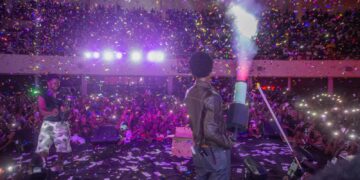


Rapper Sarkodie has called on members of his SarkNation fanbase to focus on supporting and protecting his brand rather than engaging in toxic online exchanges with rival fanbases.
In a post shared on X (formerly Twitter) on Monday, September 7, the rapper reflected on the evolution of SarkNation and urged both old and new members of the community to uphold the values that shaped the fanbase.
SarkNation birthed many of the fanbase trends we see today, and I don’t take that for granted.
The core mandate was always simple: project and protect the Sarkodie brand. Nothing else.
A few thoughts on where we are today
👇🏿— Sarkodie (@sarkodie) September 7, 2026
Sarkodie said the core mission of SarkNation has always been to project and protect his brand, insisting that supporting him does not require fans to attack or belittle other artistes.
He cautioned supporters against tearing down other musicians to make him appear superior, noting that Sarkodie can thrive without diminishing the achievements of others.
The rapper also encouraged fans to avoid getting drawn into every fanbase rivalry or responding to online provocations, particularly when such engagements do little to advance his music or career.
According to Sarkodie, some individuals who aggressively defend him online may be more interested in generating engagement and attention than genuinely supporting his work.
He therefore urged SarkNation members to distinguish between genuine loyalty and toxic behaviour, warning that excessive attacks on other artistes could ultimately have a negative effect on the brand they claim to be protecting.
Sarkodie further called on newer members of the fanbase to learn from the first generation of SarkNation supporters, whom he credited with helping build the community through their commitment, loyalty and passion for his music.
While acknowledging that being a dedicated fan comes with passion and emotion, the rapper maintained that such loyalty does not have to translate into hatred or unnecessary online confrontation.
His message comes amid the increasingly competitive nature of online fan communities, where supporters of artistes frequently engage in heated exchanges over their respective favourites.