
International casting director Mawuko Kuadzi has urged stakeholders in Ghana’s film industry to adopt a bold and strategic funding agenda aimed at producing a world-class movie capable of competing at the Academy Awards.
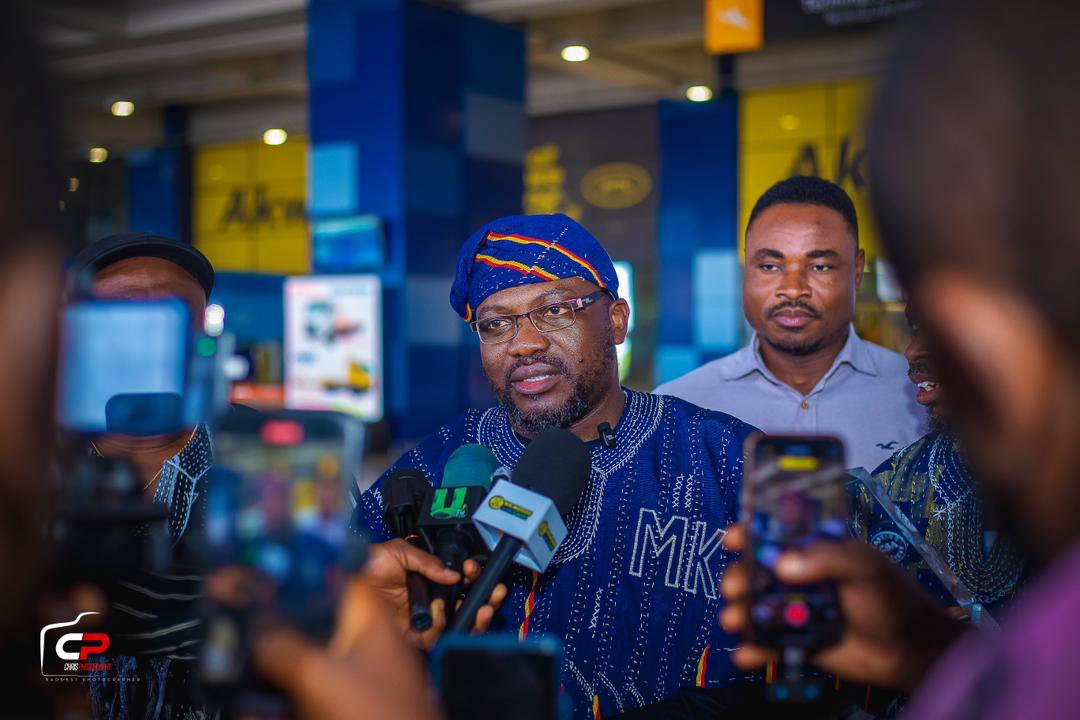
Speaking in an interview on Hitz FM on Tuesday, March 24, Kuadzi emphasised the need for deliberate investment and planning to elevate Ghana’s presence on the global film stage.
According to him, the proposed allocation of GH₵20 million for the film industry, part of a broader creative arts funding initiative, is a commendable first step but must be used strategically.
“This is the first time something like this is being proposed, and we must applaud the government,” Kuadzi said. “But we also need to encourage them to do more. If we act like it’s enough, they will stop there.”
He stressed that the funds, once disbursed, should not be fragmented across multiple projects without a clear impact. Instead, he proposed a focused agenda: investing the entire amount into producing, marketing, and campaigning a single high-quality film for Oscar consideration.
“If we use the GH₵20 million to produce one film, market it properly, and push it to the Oscars, it will be a strong strategy,” he explained. “Otherwise, the money risks being misused without meaningful results.”
Kuadzi also highlighted the importance of marketing and public relations in securing global recognition, noting that success at the Oscars goes beyond just producing a good film.
“You can’t separate budget from filmmaking. Even when you have quality, you still need funding for promotion and visibility,” he said, referencing how major international productions invest heavily in campaigns.
He pointed to previous Ghanaian efforts, such as the film Azali, which came close to international recognition but ultimately fell short, partly due to limited resources for promotion.
Drawing comparisons with the significant funds mobilised for Ghana’s participation in global sporting events like the World Cup, Kuadzi questioned why a similar national agenda could not be set for the film industry.
“Imagine the global exposure Ghana would get if we had a film competing at the highest level. That’s free marketing for the country,” he noted.
Kuadzi concluded by calling for collaboration between government, industry stakeholders, and private investors to raise funds and execute a clear, unified vision, one that positions Ghana as a serious contender on the global cinematic stage.