
A research project led by Dr. Peace Medie, Associate Professor in Politics at the University of Bristol, in collaboration with Dr. Ekua Ekumah of the University of Ghana’s Department of Theatre Arts and Prof. Nana Akua Anyidoho of ISSER, is promoting stronger community support systems for migrant survivors of gender-based violence (GBV) through research, public education and the training of traditional leaders.
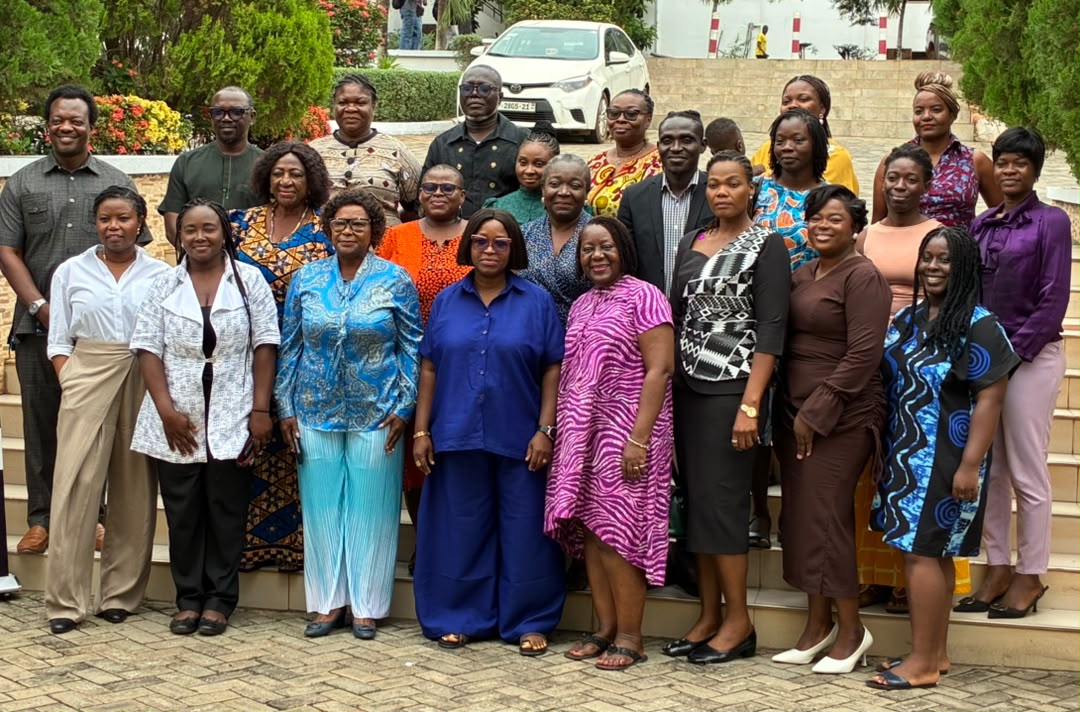
The project, “Queenmothers, Migrants and Gender-Based Violence in Ghana,” was showcased at a dissemination conference held on Monday, July 20, at the University of Ghana, bringing together traditional leaders, judges, police officers, immigration officials, civil society organisations and migration experts to discuss the findings and recommendations.
Speaking after the conference, Dr. Medie said the project explored the experiences of Nigerian migrants living in Ghana who have suffered intimate partner violence or non-partner sexual violence. Researchers conducted interviews and focus group discussions in Ho, Madina, Nungua and Accra to understand the barriers survivors face in seeking help.
She explained that many survivors are discouraged from reporting abuse because of fear, shame, stigma and victim-blaming.
“For many women, girls and even men and boys who experience violence, it is difficult to get help because people may not believe them, may blame them or discourage them from reporting the abuse,” she said.
According to Dr. Medie, one of the key findings was that many Nigerian migrants were unaware of the role Ghana’s queen mothers and traditional leaders could play in supporting survivors. Even those who knew about the traditional leadership structure often did not think they could seek help from them.
To bridge this gap, the project is creating educational materials, including a short story, a stage play and comic strips, while also training traditional and community leaders to provide appropriate support for survivors.
“We don’t want a situation where survivors seek help and are re-traumatised through victim-blaming or shaming. We want community leaders to know how to respond with empathy and direct survivors to the services they need,” Dr. Medie said.
Although the project cannot train every traditional leader across the country, she described it as an important step towards strengthening community-based support for survivors of gender-based violence.
Dr. Medie noted that the dissemination conference was organised not only to present the research findings but also to receive feedback from practitioners working directly with migrants and survivors.
“We wanted to share what we have found and also hear recommendations from stakeholders because they understand the realities on the ground and can help improve our recommendations,” she explained.
The project also seeks to increase public awareness that survivors should not suffer in silence and that support from relatives, neighbours, friends and community leaders can encourage them to seek medical care, report abuse and begin the process of recovery.
As part of the project’s public engagement activities, a stage adaptation of its short story titled When You See Me will premiere at the Efua Sutherland Drama Studio on July 26 before touring communities in Madina and Nungua to further educate the public on gender-based violence and available support systems.
Explore all the juicy entertainment news you desire with GhanaWeekend on WhatsApp!
Click on the link to join the GhanaWeekend channel for curated, meaningful stories tailored just for YOU: https://whatsapp.com/channel/0029VaJ31iEDTkK8wIHNj31A