
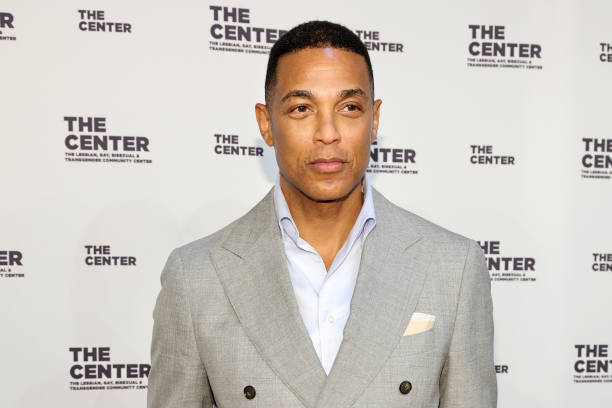
Veteran journalist Don Lemon, long recognised for his decades of reporting at major outlets including CNN, became the centre of a legal and political controversy in January 2026 following his arrest over a protest he covered in Minnesota.
The case stems from a demonstration held on January 18 inside Cities Church in St. Paul, where protesters disrupted a Sunday worship service to condemn recent U.S. immigration enforcement actions.
The protest followed a series of controversial operations by Immigration and Customs Enforcement (ICE) in the Minneapolis–St. Paul area and focused on the killing of Renee Good, a 37-year-old mother of three who was fatally shot by an ICE officer days earlier.
During the protest, demonstrators chanted slogans such as “ICE out” and “Justice for Renee Good.” Activists selected Cities Church as the protest venue because one of its pastors also held a leadership role within the local ICE field office, a connection that intensified tensions and drew national attention to the incident.
Lemon, who has worked independently since leaving CNN in 2023, attended the protest to document events.
He livestreamed the disruption, interviewed protesters and congregants, and later stated that he did not participate in the demonstration, insisting he was acting solely in his role as a journalist.
Nearly two weeks later, on January 29, Lemon was arrested by federal law enforcement in Los Angeles, where he was covering the Grammy Awards. The U.S. Department of Justice (DOJ) alleged that the protest violated federal laws protecting the free exercise of religion.
Prosecutors claimed Lemon and others interfered with worshippers’ First Amendment rights, citing statutes including the Freedom of Access to Clinic Entrances (FACE) Act and federal civil rights conspiracy laws.
Lemon’s attorney, Abbe Lowell, strongly criticised the arrest, arguing that his client’s actions were protected under the First Amendment. “Don Lemon was acting as a journalist, holding power to account — work that is constitutionally protected,” Lowell said, adding that the legal team would challenge the charges.
In a notable twist, a federal magistrate judge initially declined to approve the charges against Lemon, citing insufficient evidence. Prosecutors later took the case to a grand jury, which allowed it to move forward.
The arrest has sparked widespread debate, particularly among journalists and civil liberties advocates. Press freedom groups warn that charging a journalist for covering a protest sets a dangerous precedent and could deter reporters from documenting controversial events. Federal authorities, however, argue that disrupting religious services crosses legal boundaries and infringes on the rights of worshippers.