
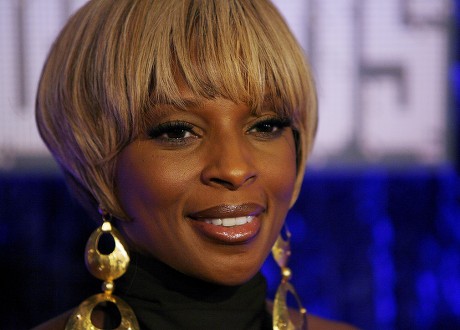
Mary J. Blige has revisited one of the most controversial moments of her career, opening up about the backlash she faced following her widely criticised 2012 Burger King commercial. The Grammy-winning singer, known for her powerful voice and cultural impact, recently spoke candidly about the experience on Scott Evans’ podcast Guest House, making it clear that what many have since treated as a meme was, for her, a deeply painful chapter.
The commercial in question featured Blige singing a jingle about Burger King’s chicken snack wraps over the beat of her 2011 song “Don’t Mind,” in what was intended to be a stylised dream sequence. The ad immediately drew criticism, with viewers accusing it of reinforcing racial stereotypes. The backlash was swift and intense, prompting Burger King to pull the commercial within just 24 hours of its release. The company initially cited a music licensing issue as the reason for pulling it before later acknowledging that the spot had been released before all final approvals were obtained.
Reflecting on the situation, Blige expressed frustration with how it was handled behind the scenes. She has been clear that the version of the commercial that aired was never supposed to be seen by the public, and that it did not reflect what she had agreed to.
Pointing to what she described as “bad representation, bad management, bad everything” at the time, she suggested the fallout was a direct result of deep dysfunction surrounding her at that stage of her career.
According to her, the consequences went far beyond public criticism and left a lasting mark on her professionally and personally.
She described feeling unfairly exposed and said the reaction from both the public and the industry was overwhelming. At the height of the controversy, she found herself increasingly isolated, with many people she had considered close friends distancing themselves from her. “A lot of my so-called friends are not around anymore,” she said. “I was like a disease to people. Nobody wanted to be affiliated.”
Blige also pushed back firmly against the way the commercial has been revisited in recent years, often shared online as a humorous clip or meme. When Evans asked whether she was now in a position to laugh about it, she was unequivocal.
“No. It’s still not a laughing matter to me,” she said. “My true, honest fans did not think that was funny. The whole way that went down was wrong.” She added that she remains deeply affected by the experience to this day.
The renewed conversation around the Burger King ad highlights broader issues within advertising and entertainment, particularly around cultural sensitivity, creative control, and the vulnerability of artists when management fails them. It also underscores how public figures can become the face of controversies that originated behind the scenes, bearing the full weight of the fallout.
More than a decade later, Mary J. Blige’s reflections offer a more personal lens on what was once a viral moment. Rather than a simple advertising misstep, she frames it as an episode that exposed deep failures within her professional circle and left an impression that time has not erased.