
For two decades, Michael Adangba watched as a song he poured his heart into became one of the most recognisable sounds on TV3’s Ghana’s Most Beautiful (GMB) without the recognition he believed it deserved.
On Sunday, August 2, as the pageant launched its 2026 season and marked its 20th anniversary, that chapter finally came full circle.
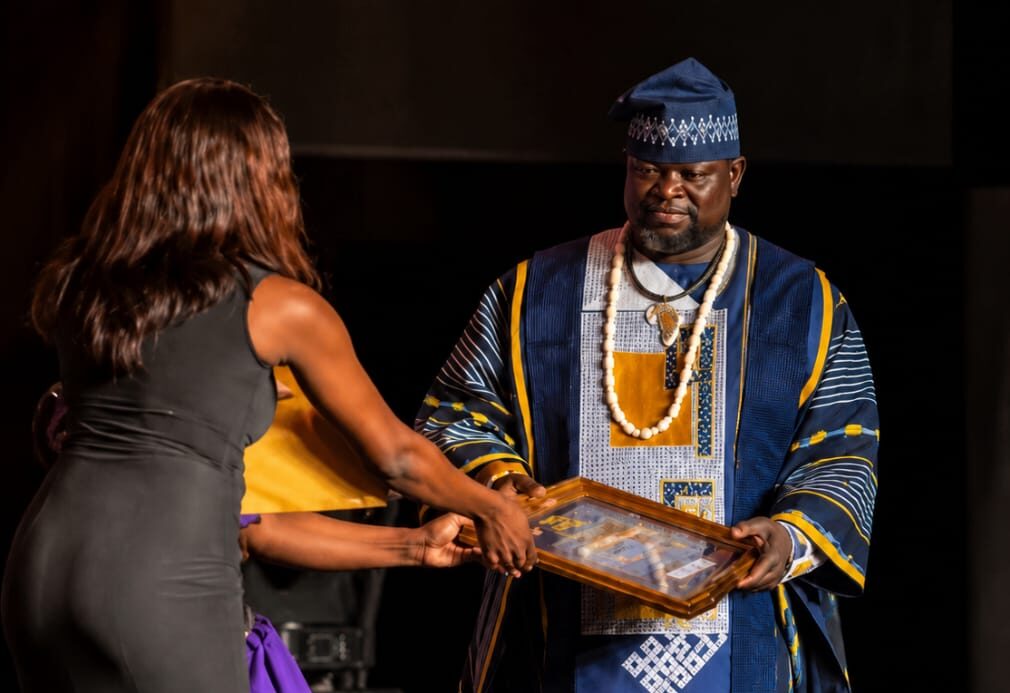
The veteran traditional musician was honoured with a citation by TV3 for his contribution to the show after his song “Bangawego” became synonymous with Ghana’s premier cultural beauty pageant. The recognition also came after he was invited to help compose this year’s official GMB theme song.
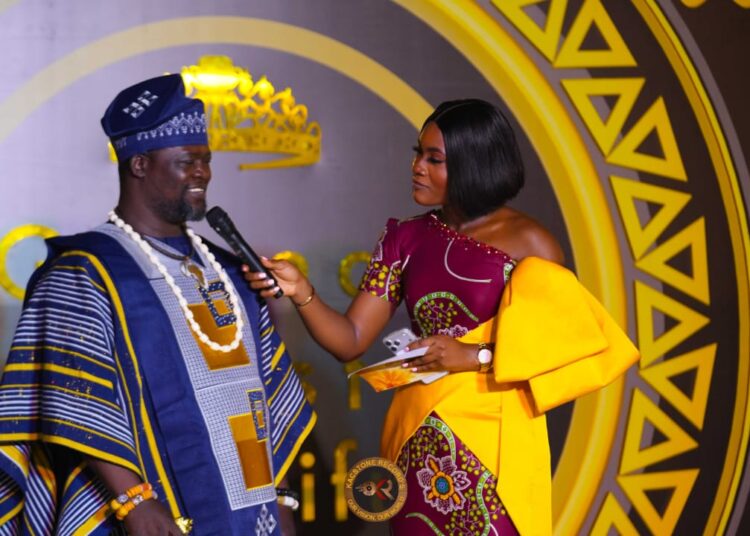
Speaking to Ghanaweekend after the ceremony, an emotional Adangba described the recognition as more meaningful than any competitive music award he could have received.
“I was happy,” he said. “The first time, nobody called me. This time, they called me respectfully and asked me to compose a song . That respect alone means everything.”
Adangba revealed that “Bangawego” was recorded as part of an album he released in 2009. At the time, he said he was struggling to get his music played because it did not fit what many industry players considered commercially viable.
“I was struggling in this country for them to play my song,” he recalled. “One promoter told me they liked my music, but they wouldn’t promote it because I didn’t speak their language and the style of music I was doing was different from what Ghana wanted.”
The rejection was painful, he said, because he believed deeply in the music he was creating.
“It was very painful to have something beautiful and nobody hears it.”
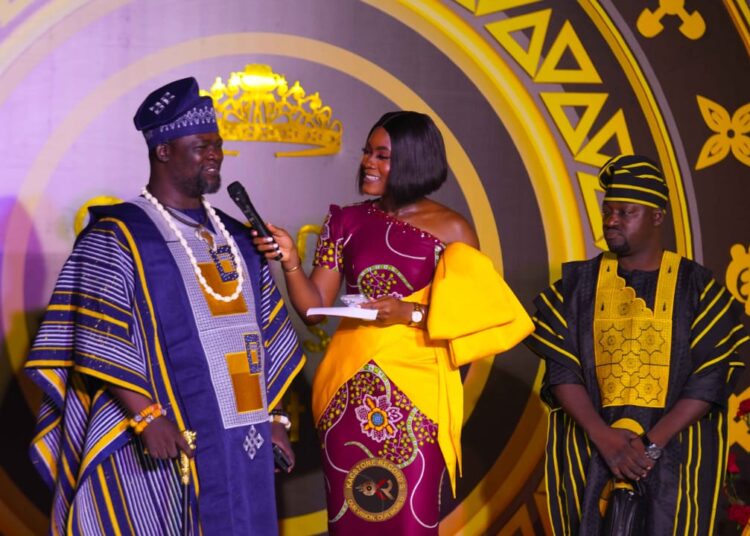
His surprise came when friends informed him that TV3 was using “Bangawego” as part of Ghana’s Most Beautiful without his knowledge.
“I asked them, ‘Which song?’ They said “Bangawego”. They thought the song belonged to a Malian musician. I told them, ‘No, that’s my song.’ I even invited them to my studio because I’m a producer myself, so I could open the original project for them.”
Despite not being consulted initially, Adangba said he eventually chose not to fight the situation after seeing the pride it gave his people.
“There was no streaming then. We were talking about cassettes, CDs and radio. I didn’t get anything from it, but my people were happy because they could hear our language on TV3.”
Still, he admitted there were moments when the lack of recognition became difficult to bear.
“There were times I wanted the song to stop being played because people kept asking why I wasn’t benefiting from it. I swallowed all that pain.”
When the song was later removed from the programme, he noticed its absence had an impact.
“I felt the programme lost some of its enthusiasm when the theme was gone. So when they called me years later to work on it again, I was genuinely happy.”
Receiving a citation during the launch, he said, carried far more value than many awards handed out within the music industry.
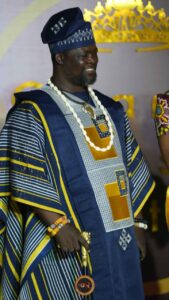
Adangba criticised the commercial nature of some award schemes, arguing that talented musicians are often overlooked unless they can afford expensive campaigns and public voting.
“To me, this citation is bigger,” he said. “A national brand like TV3 recognised what I have been doing. That means more than collecting awards I have to spend my own money chasing.”
The musician also spoke about the uphill battle faced by artistes who remain committed to indigenous and traditional sounds.
He recounted recently approaching a television station to air one of his music videos after paying a fee, only to be told the station preferred Afrobeats and hip-hop.
“They said my music was too African and they don’t play that kind of music,” he said. “I was disappointed because many traditional musicians face the same problem.”
Despite the challenges, Adangba urged younger musicians not to abandon their roots in pursuit of mainstream trends.
“Keep doing what you believe in,” he advised. “Maybe one day you will also be recognised like I have been. Consistency makes you perfect. Don’t give up because people are paying attention to another genre. Continue promoting your own until people appreciate it.”
For Adangba, Sunday’s recognition was not just about finally receiving a citation. It was the closing of a painful chapter and proof that sometimes, even if it takes 20 years, authentic art eventually finds its moment.