
For two days, the Efua Sutherland Children’s Park was no longer just a familiar green space in the heart of Accra.
It became a marketplace. But not just any marketplace. It was a marketplace where Ghanaian entrepreneurs came carrying more than products. They brought years of hard work, creativity, dreams of expansion and the hope that someone would stop at their stand, ask a question, taste a product, admire a design — and perhaps make a purchase.
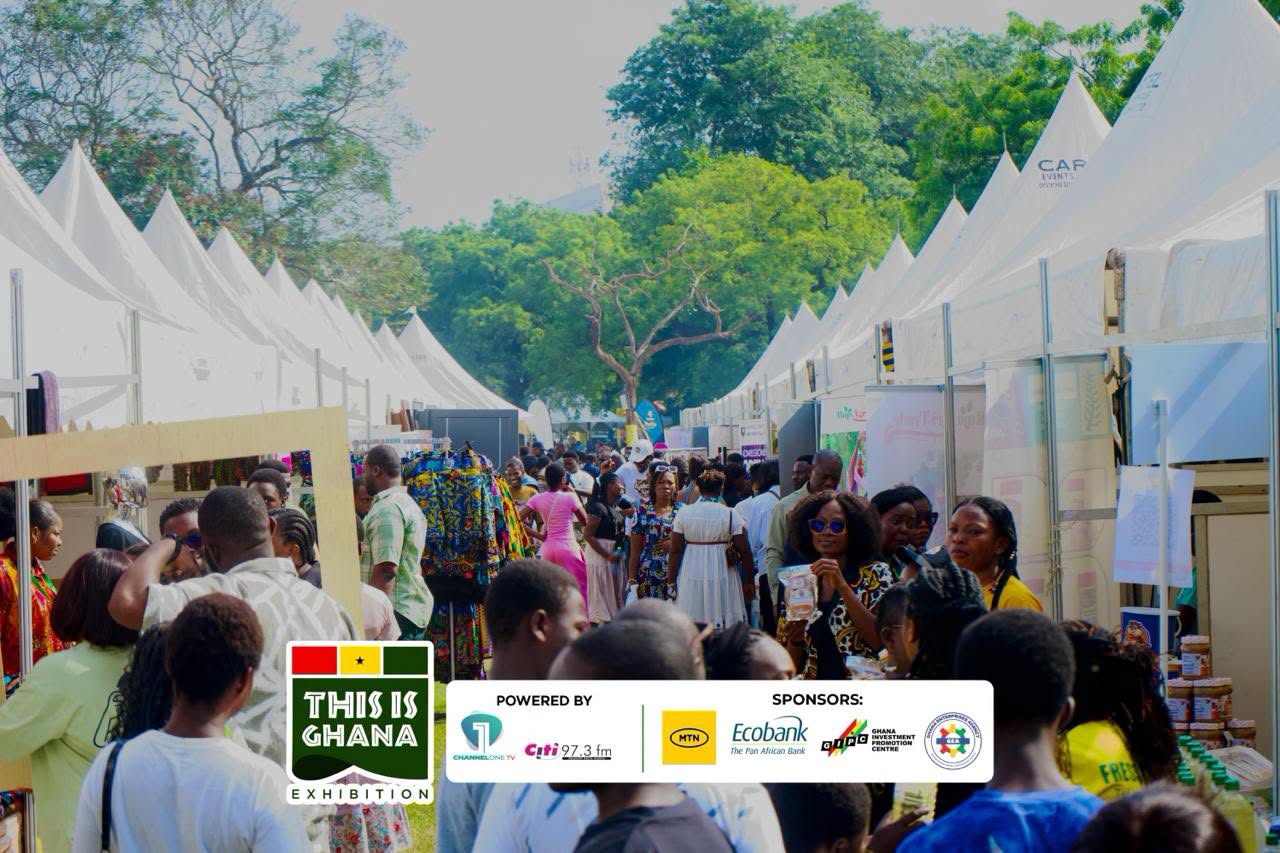
And they did. From Saturday, August 29 to Sunday, August 30, the This Is Ghana Exhibition transformed the park into a lively celebration of Ghanaian enterprise, bringing together businesses, consumers, artisans, creatives and industry players for two days of commerce, discovery and interaction.
For patrons, it was an opportunity to shop, taste, explore and discover. For exhibitors, it was something more valuable: a chance to be seen.
Day One: Ghana arrives at the park
Saturday morning brought the first wave of patrons. As the exhibition opened, the quiet familiarity of the park gave way to the sounds of conversations, music, product demonstrations and the constant movement of shoppers navigating the various stands.
There was food to taste, fashion to admire, beauty products to explore, crafts to examine and locally manufactured goods competing for the attention of consumers.
Every stand had a story. Behind one was an entrepreneur who had started with a small idea. Behind another was a manufacturer trying to build a brand.
Some businesses had participated in previous editions of the exhibition, while others were using the platform to introduce their products to a much larger audience for the first time.
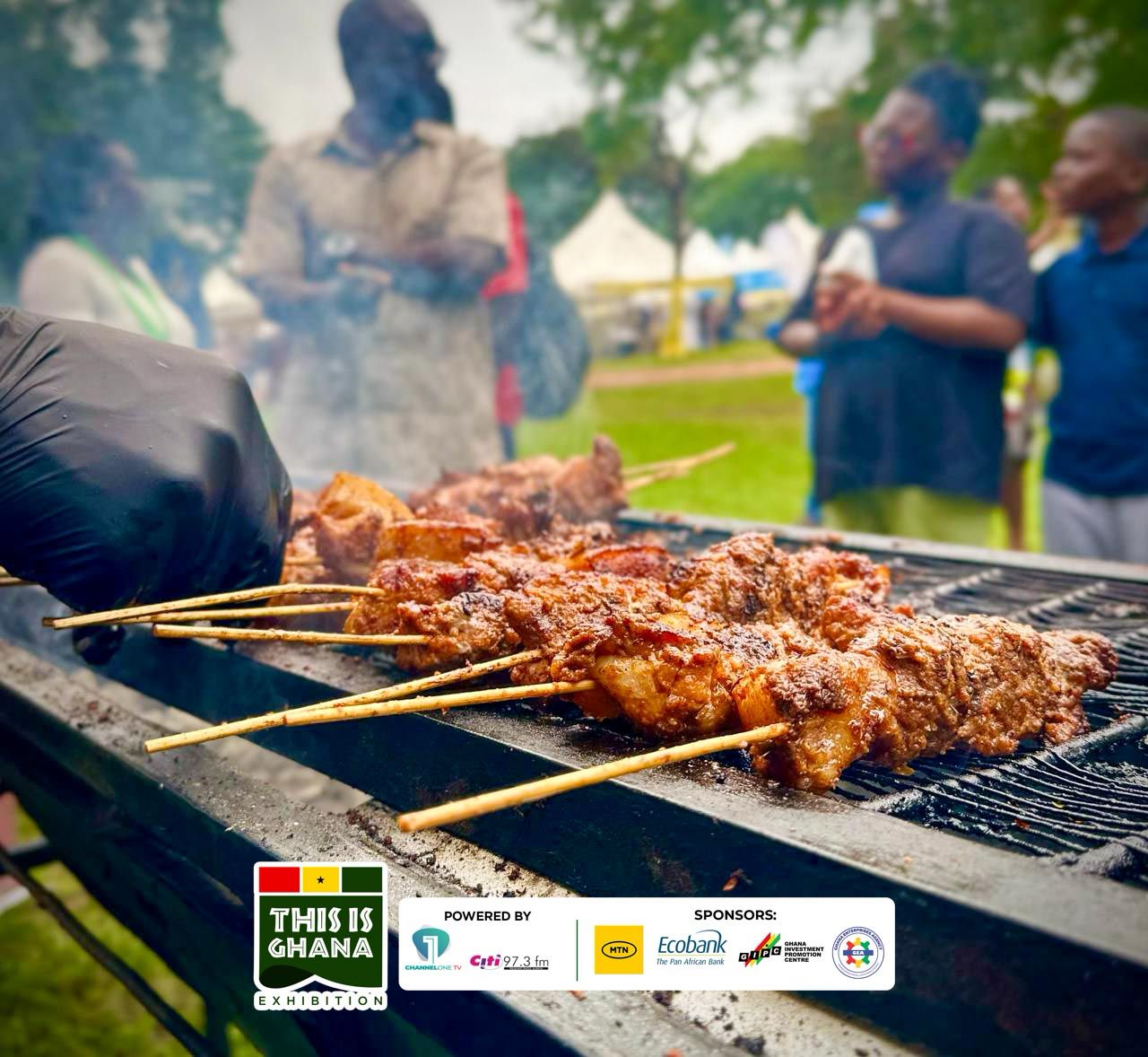
The attraction was not simply that the products were Ghanaian. It was that they were Ghanaian products being placed directly in front of Ghanaian consumers. And that distinction matters.
Walk through almost any community and there is somebody making something, selling something or trying to build something.
The problem is often not production. It is the market. A small business may have a good product but limited resources for advertising. Another may have loyal customers in its neighbourhood but no idea how to reach consumers elsewhere.
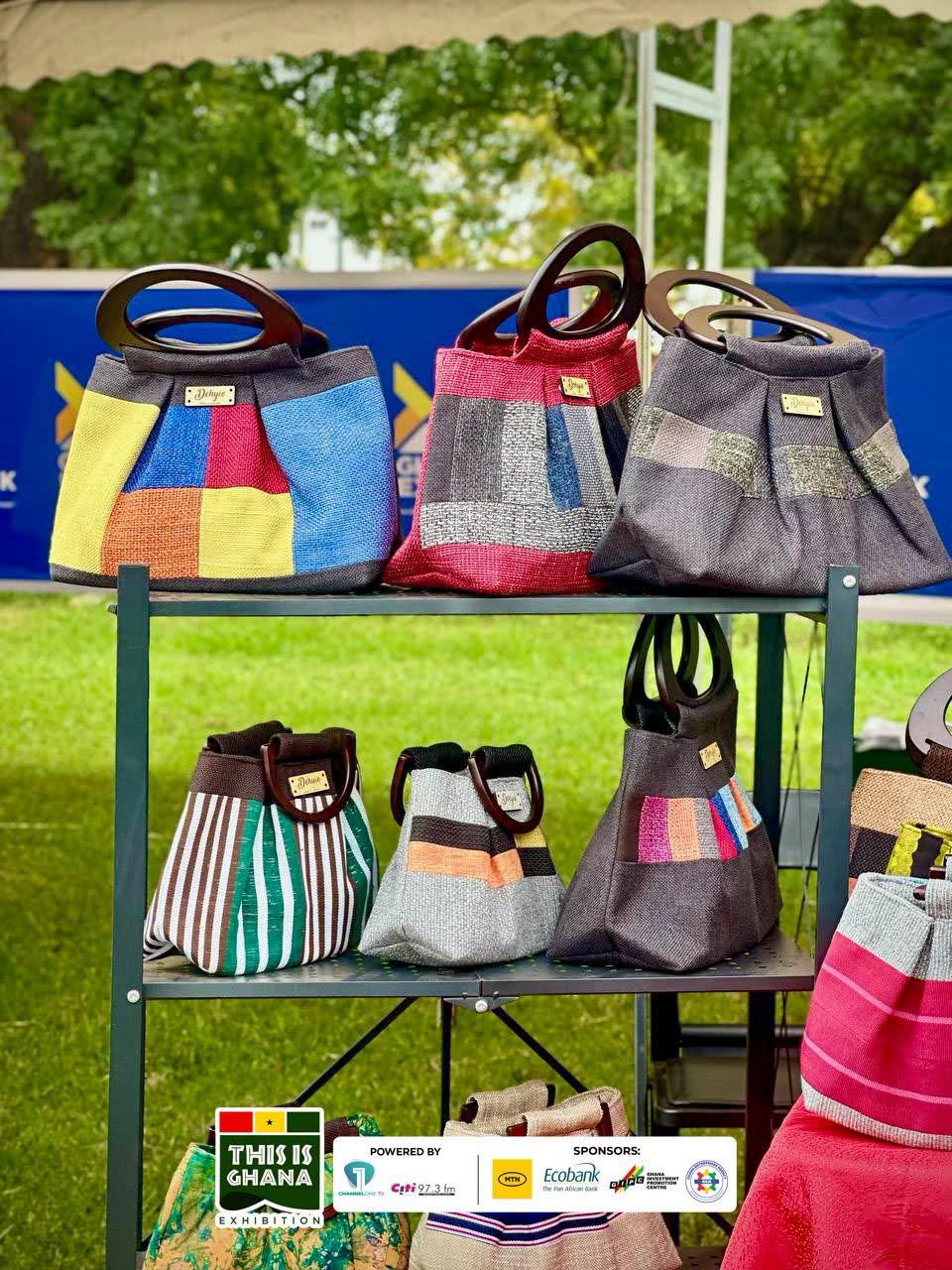
For such businesses, an exhibition can be a shortcut to visibility. At This Is Ghana, an entrepreneur could meet in a single weekend the kind of audience that might otherwise take months or years to reach.
A curious patron could become a customer. A customer could become a regular buyer. A retailer could become a distributor. A conversation could become a partnership.
That is why the exhibition’s significance extends beyond the sales made over the weekend. It creates connections that can outlive the exhibition itself.
From discovery to deeper engagement
By Sunday, the novelty of the opening day had given way to something more deliberate. Patrons returned to stands they had discovered on Saturday.
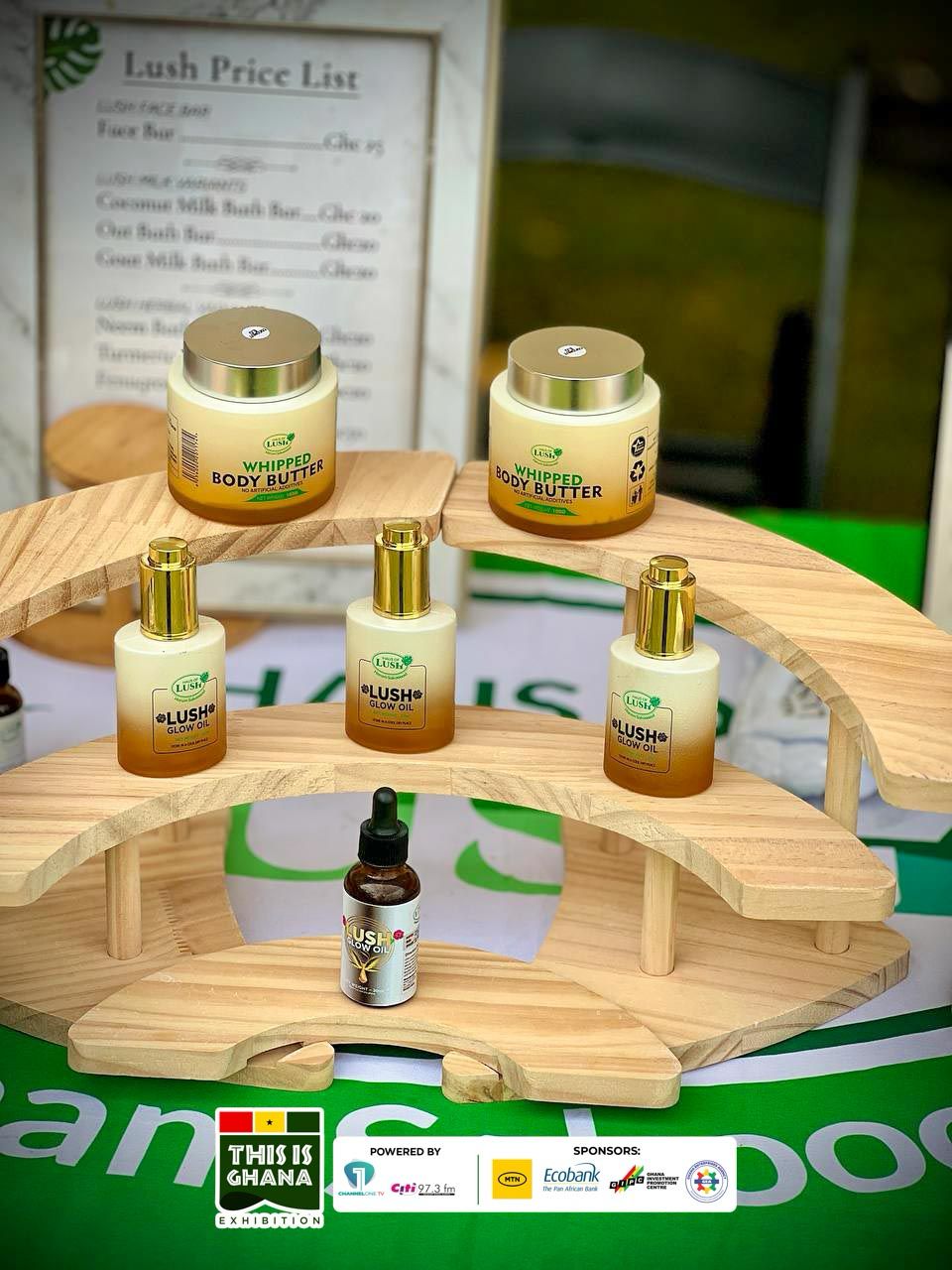
Others arrived with friends and family, ready to explore the exhibition for themselves. Exhibitors also had a better understanding of the audience and what was attracting attention.
The second day therefore became an opportunity to deepen the relationships established on the opening day and turn interest into transactions.
Among the exhibitors was Fragroma, a producer of tie-and-dye and batik fabrics. Its manager, Eli Kofi Wetsi, said the company had participated in four editions of the exhibition and had consistently benefited from the platform.
He said the event had helped the company market its products, increase sales and promote locally made goods. His experience captures an important lesson about business exhibitions: consistency matters.
A company may not become an overnight success after one event, but repeated participation can help build recognition, customer loyalty and a stronger market presence.
Beyond the shopping bags
It is easy to look at an exhibition and see only the shopping bags leaving the venue. But behind those bags is a larger economic chain.\
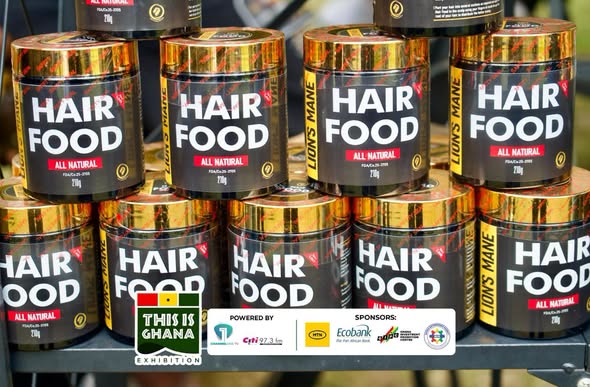
The food producer needs farmers. The fashion designer needs fabric suppliers. The manufacturer needs raw materials. The business needs packaging. The exhibitor needs transportation. The customer needs a retailer.
And all of them create demand for somebody else’s goods or services. That is the economic importance of an event such as This Is Ghana. When a local business sells more, it has a reason to produce more.
When production increases, the business may need more workers. When workers earn more, they spend more. And when businesses across the chain receive more orders, economic activity expands.
The money does not simply change hands; it creates activity.
A two-day exhibition may therefore look temporary, but the commercial relationships created there can have consequences long after the final stand has been dismantled.
A platform for the next big Ghanaian brand
There is also a bigger ambition behind the promotion of local enterprise. Ghana cannot remain a country that exports raw materials and imports finished products indefinitely.
If local businesses are to contribute meaningfully to economic transformation, they must be able to grow. That means moving from small-scale production to larger markets. From informal operations to structured businesses. From local recognition to national brands. And eventually, from Ghanaian shelves to African and global markets.
The CEO of the Ghana Investment Promotion Authority, Simon Madjie, speaking on behalf of the Chief of Staff, Julius Debrah, challenged Ghanaian businesses to pursue precisely that trajectory.
He noted that SMEs make up the overwhelming majority of Ghana’s registered businesses and urged entrepreneurs to develop businesses capable of competing beyond the domestic market.
He also emphasised the need for greater value addition to Ghana’s raw materials. That message fits neatly into what This Is Ghana represents.
The exhibition starts with a simple question: What can Ghana produce? But the bigger question is: How far can Ghanaian businesses take what they produce?
Citi FM brings the audience closer to the entrepreneur
One of the exhibition’s distinctive strengths is the role of the media in creating the connection.
Citi FM and Channel One TV have, over the years, provided platforms through which local businesses can tell their stories and reach audiences.
This Is Ghana takes that relationship out of the studio and puts it directly into the marketplace.
The entrepreneur who might ordinarily speak to customers through radio, television or social media can now meet those customers face-to-face.
The consumer who has heard about a business can walk to its stand. A brand becomes a person. An advertisement becomes a conversation. And a conversation can become a sale.
For SMEs that struggle to compete for visibility in an increasingly crowded market, that connection is invaluable.
But there is an important caveat. Promoting local businesses should not mean lowering the standards expected of them. Ghanaian consumers deserve quality.
They deserve fair prices. They deserve good customer service. They deserve safe products and attractive packaging.
And businesses must understand that being locally produced is not, by itself, a guarantee of customer loyalty.
The real objective should not simply be to convince Ghanaians to buy Ghanaian products. It should be to make Ghanaian products so good that consumers want to buy them.
Patriotism can open the door. Quality keeps it open.
What happens after the tents come down?
The exhibition may have ended, but for the participating businesses, the real work is only beginning.
The phone numbers collected at the stands must be followed up. Potential customers must be converted into regular customers. Business contacts must become partnerships. Feedback must become product improvement. And sales must become sustainable revenue.
That is where the true impact of This Is Ghana will eventually be measured. Not simply in how many people visited the Efua Sutherland Children’s Park. Not simply in how many products were sold.
But in how many businesses walked away with a stronger customer base, better market knowledge and new opportunities for growth.
Two days that tell a bigger Ghanaian story
For two days, the Efua Sutherland Children’s Park offered a snapshot of a Ghana that is often overlooked amid the country’s economic challenges.
A Ghana that produces. A Ghana that creates. A Ghana that experiments. A Ghana that employs. A Ghana that dreams of becoming bigger than its current size.
This Is Ghana gave those businesses a stage. But the stage alone is not enough. The applause must become purchases. The purchases must become repeat business. The repeat business must become expansion.
And expansion must become jobs, investment and stronger local value chains. That is when an exhibition becomes more than an exhibition. For two days, the park was filled with products.
The challenge now is to ensure that the opportunities created there continue to produce long after the last customer has gone home.
The This Is Ghana Exhibition is powered by Citi FM and Channel One TV and sponsored by Ecobank, MTN, GIPC and the Ghana Enterprises Agency (GEA).