
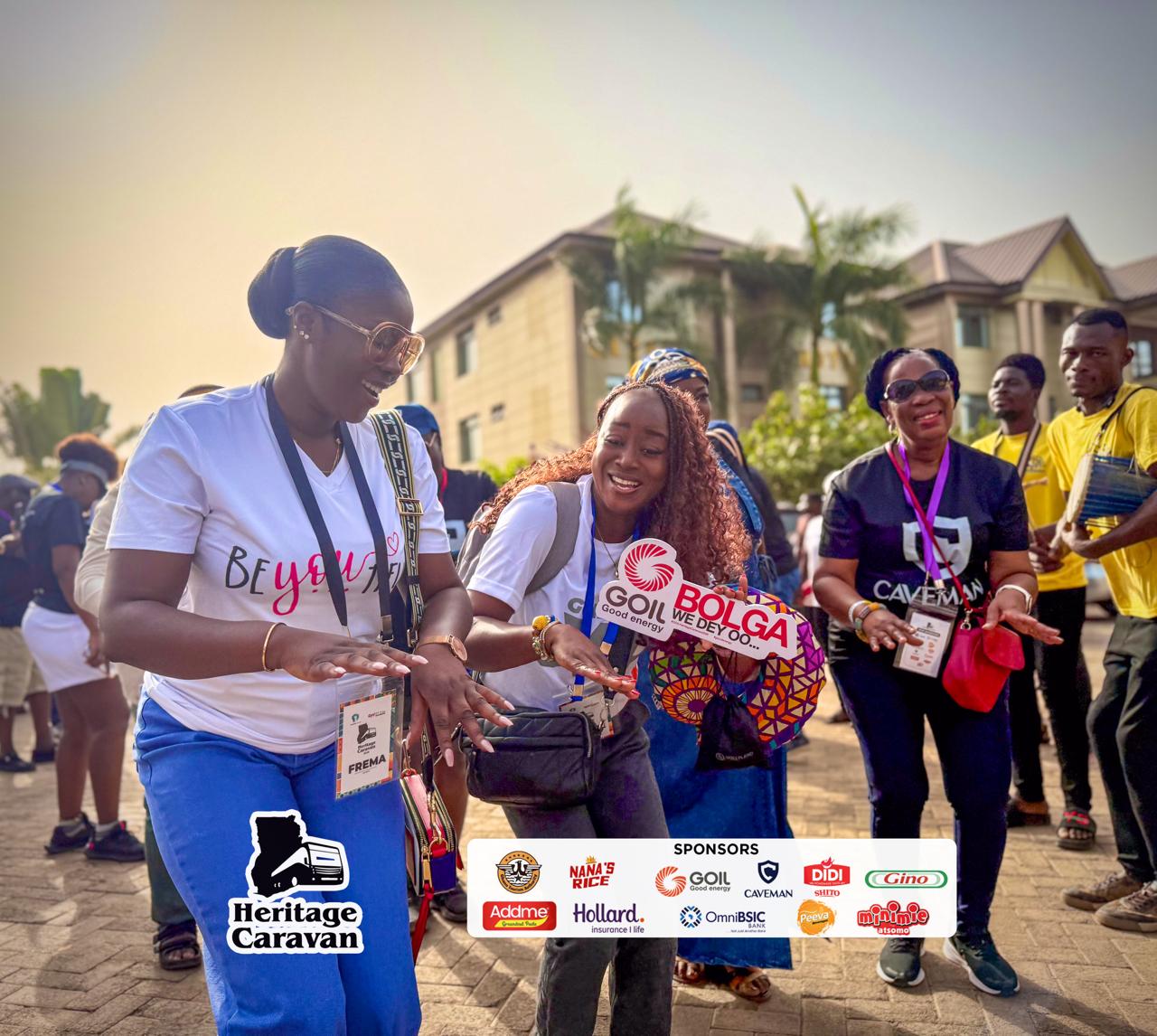
Day Three began in earnest in Bolgatanga and Bolga made sure we felt it from the very first bite.
Breakfast was not merely served; it was staged like a culinary festival. Waakye stood confidently besides steaming bowls of Hausa ‘kooko’ paired with crisp ‘koose.’ Kenkey made its dependable appearance, tubaani added northern authenticity, and other rice dishes quietly dared patrons to attempt second and third rounds. Plates were filled with strategy. Some went traditional. Others went experimental. Everyone went back satisfied.
But food was only the opening act.
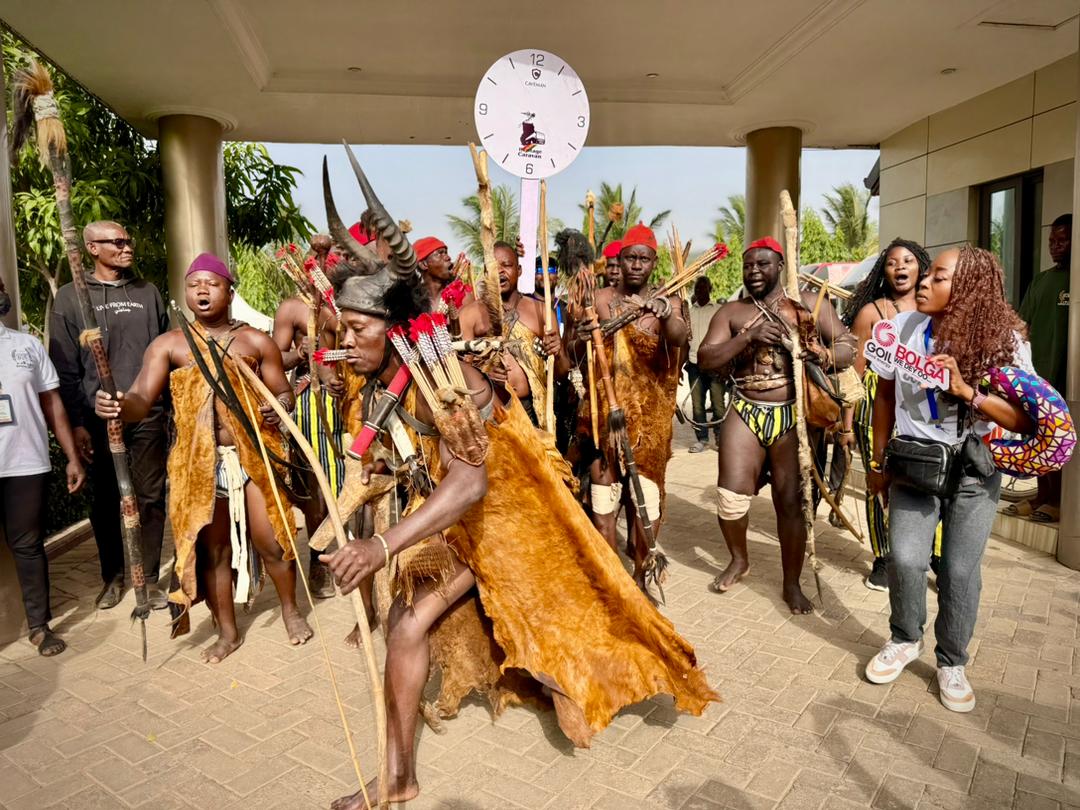
A spectacular cultural display followed, electrifying the atmosphere. Drums rolled with authority. Dancers moved with precision and pride. The performance carried history in its rhythm and identity in its steps, drawing cheers and applause from patrons who were already fully awake thanks to both breakfast and brilliance.
Then came the honour of an official welcome. The Chief of the Bongo Traditional Area, accompanied by his entourage, graced the occasion with regal presence, reinforcing the importance of heritage and continuity. The Upper East Regional Minister was also present, warmly welcoming the Heritage Caravan to the region and underscoring the significance of our visit.
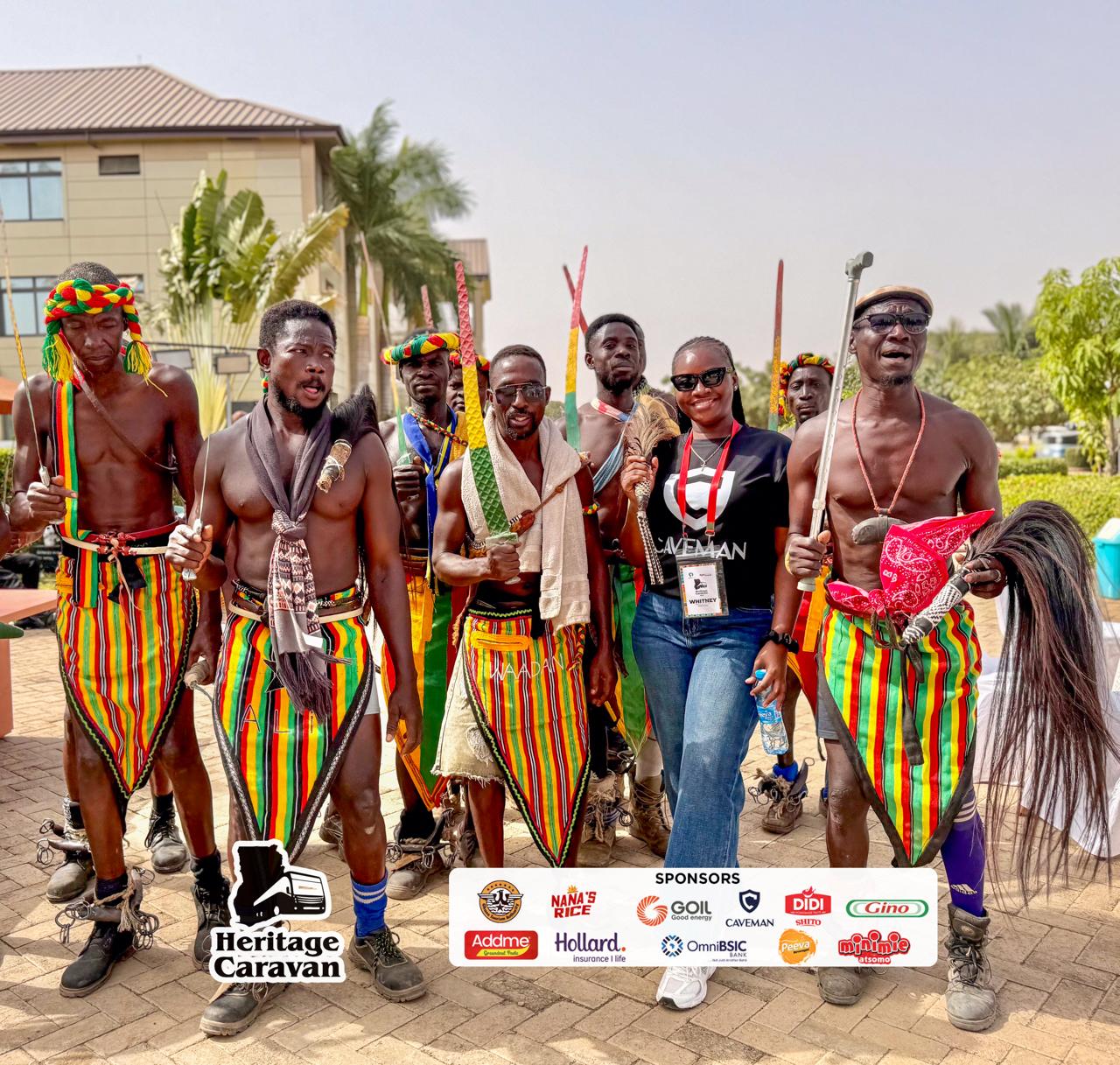
Bolgatanga had embraced us culturally, traditionally and politically.
By 10:00am, engines were humming once again. Goodbyes were exchanged, photos captured, and the convoy rolled northward toward Paga.
The road carried us through Navrongo and smaller settlements like Kulbia, Donald and other villages scattered along the stretch. The scenery was open, the sky wide and the sun relentless. By the time we approached Navrongo, the temperature had found its full voice.
It was loud.
The Upper East heat does not negotiate. It settles in and makes its presence known. Yet life along the road continued traders at their stalls, motorbikes weaving steadily through town, pedestrians pressing on with quiet resilience.
Eventually, we arrived at the famed Paga Crocodile Pond and anticipation turned into amazement.
Patrons stepped down with curiosity written across their faces. For many, this was their first close encounter with crocodiles outside a documentary. There they lay calm, ancient, almost contemplative.
And then came the twist: their surprising “friendliness.”
Guides demonstrated the remarkable relationship between the community and the crocodiles, gently interacting with them and even encouraging patrons to pose beside the reptiles. It was a surreal moment standing next to a creature feared by instinct, yet resting peacefully under the sun.
There were brave volunteers….
There were cautious observers….
There was nervous laughter….
And there were countless photographs….

From Paga, curiosity pushed us just five minutes further north to the border between Ghana and Burkina Faso.
At the frontier lies Dakola, the Burkina Faso border town, and patrons eagerly disembarked to physically cross into another country by foot. There is something symbolic about placing one foot across a national line geography becomes tangible, not theoretical.
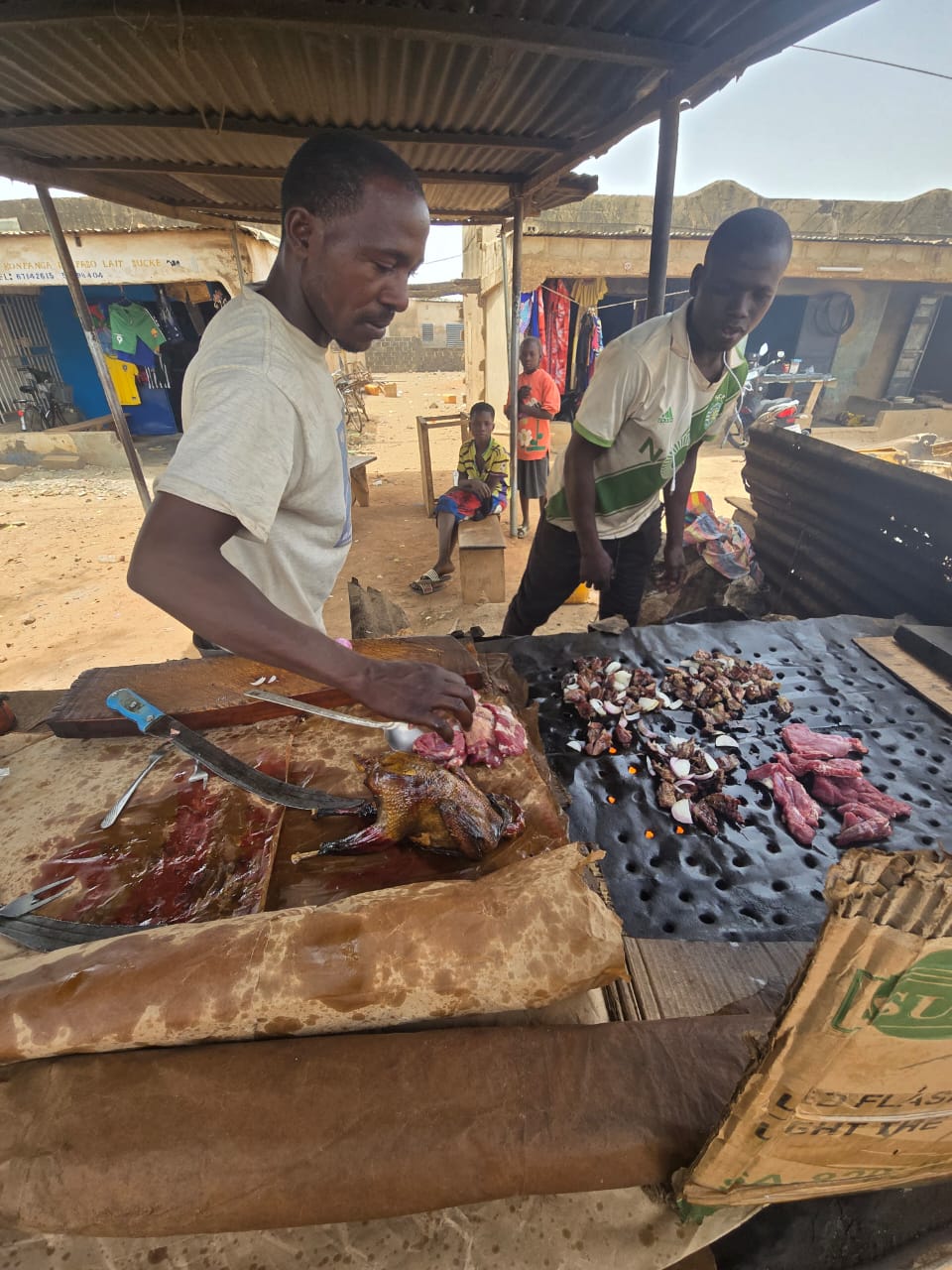
And then, as if the experience needed seasoning, came the suya.
Local salted grilled beef sizzled over open flames, its smoky aroma irresistible. Skewers were passed around as patrons feasted enthusiastically. The spice hit just right. The char added depth. It was simple, authentic and utterly satisfying.
That border experience? A delight.
With crocodiles admired, borders crossed and suya conquered, the Heritage Caravan regrouped once more. The northernmost stretch of our journey had delivered culture, heat, wildlife and flavor in equal measure.
Now, engines turned southward.
Explore all the juicy entertainment news you desire with GhanaWeekend on WhatsApp!
Click on the link to join the GhanaWeekend channel for curated, meaningful stories tailored just for YOU: https://whatsapp.com/channel/0029VaJ31iEDTkK8wIHNj31A