

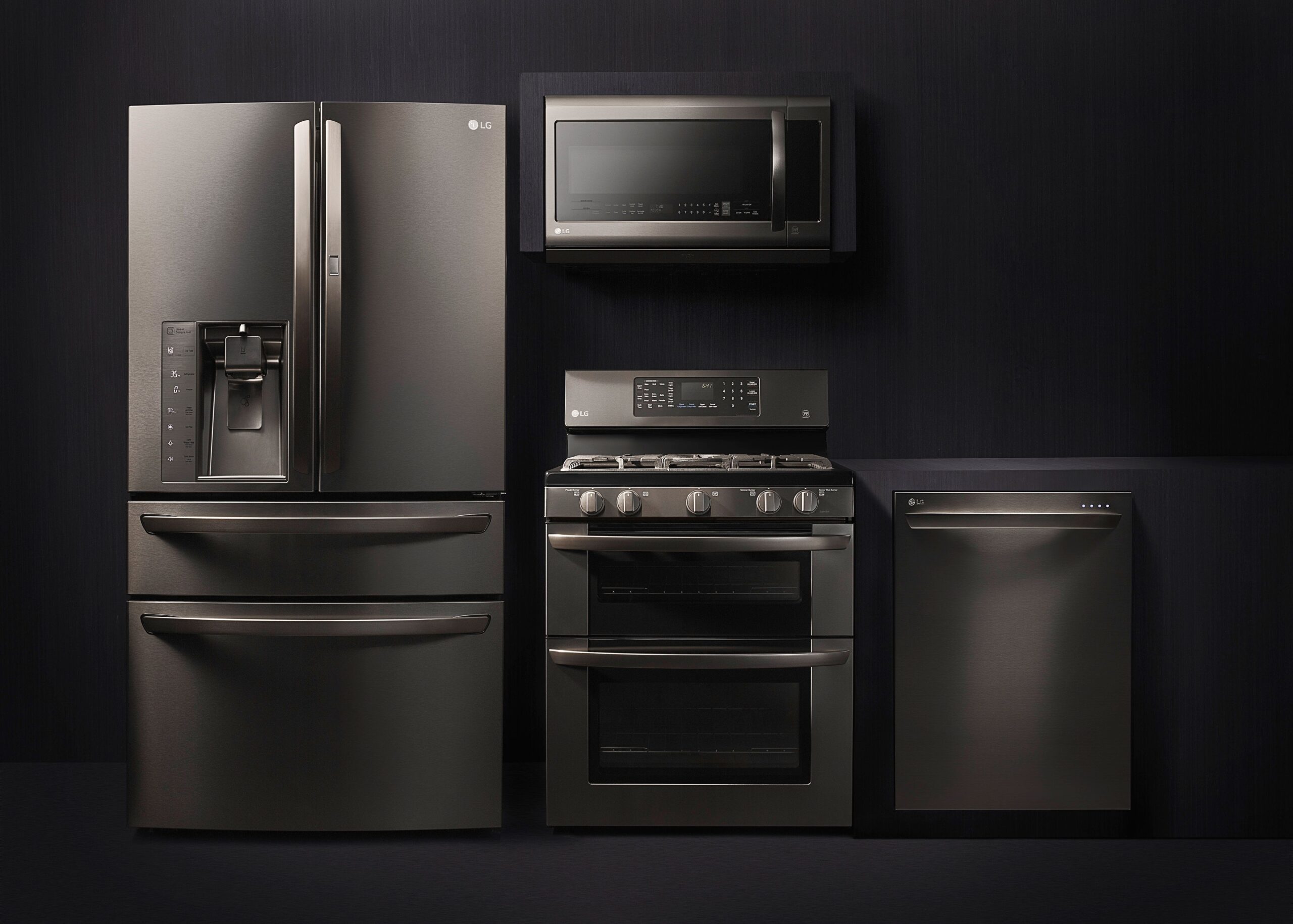
For decades, black has quietly become the dominant colour of the modern electrical world.
From televisions and gaming consoles to speakers, microwaves, studio equipment and even phone chargers, manufacturers continue to favour dark finishes over brighter alternatives.
While many consumers simply see it as a stylish design choice, the widespread use of black in electrical appliances is rooted in a combination of science, marketing, manufacturing practicality and shifting consumer behaviour.
One of the biggest reasons manufacturers choose black is its ability to hide imperfections.
Electrical appliances are constantly exposed to fingerprints, dust, scratches and stains. Lighter colours, especially white or silver, tend to reveal dirt more easily, making appliances appear older or poorly maintained after only a short period of use.
Black surfaces, particularly matte finishes, help conceal these marks and give products a cleaner appearance for longer. This is especially important for devices that are handled frequently, such as remote controls, headphones, gaming systems and kitchen appliances.
The entertainment industry also played a major role in popularising black electronics. In earlier decades, many home appliances and audio systems came in silver or cream colours.
However, as televisions grew larger and home theatre setups became more advanced, manufacturers recognised that black reduced visual distractions.
A black television frame blends more naturally into a darkened room, allowing viewers to focus on the screen itself. The same principle applies to speakers, cameras and studio equipment, where dark colours create a more professional and less distracting environment.
Beyond appearance, black has become strongly associated with luxury and sophistication. Many brands intentionally use black to position their products as premium and technologically advanced. Consumers tend to associate darker colours with elegance, power and durability — a psychological connection that has influenced design across multiple industries, including automobiles, fashion and electronics.
Market research consistently shows that many buyers consider black appliances modern and stylish, which is why companies continue to produce them.
There is also a clear manufacturing advantage. Black plastic is easier and often cheaper to produce consistently compared to brightly coloured materials.
Manufacturers can incorporate recycled plastics into black products more effectively because colour inconsistencies are far harder to detect. Producing white or brightly coloured appliances typically requires stricter quality control and additional pigment processing, increasing production costs. For companies producing millions of units globally, even small savings per unit become significant at scale.
Science plays a role as well. Black surfaces radiate heat more efficiently than lighter colours, meaning they release built-up heat more effectively.
This can be useful in electronics that generate warmth during operation. That said, modern appliances primarily manage temperature through internal cooling systems, ventilation and heat-resistant materials, so colour alone is not the determining factor — but it remains a minor contributing consideration in certain designs.
Interestingly, household appliances were once dominated by white finishes, because white symbolised cleanliness and hygiene. Refrigerators, washing machines and stoves were designed to reflect the sanitary ideals of the time.
Over the years, however, consumer preferences shifted toward darker and more minimalist designs, particularly as technology became central to modern lifestyles.
Today, black appliances are widely considered versatile, fitting naturally into contemporary homes, offices and entertainment spaces.
The dominance of black electrical appliances is therefore no accident. It is the result of decades of design evolution shaped by psychology, practicality, engineering and consumer trends.
What appears to be a simple colour choice is in fact a carefully considered decision that affects manufacturing costs, product lifespan, user experience and purchasing behaviour.
As technology continues to evolve, colour trends may shift again — but for now, black remains the undisputed standard of modern electronics.