

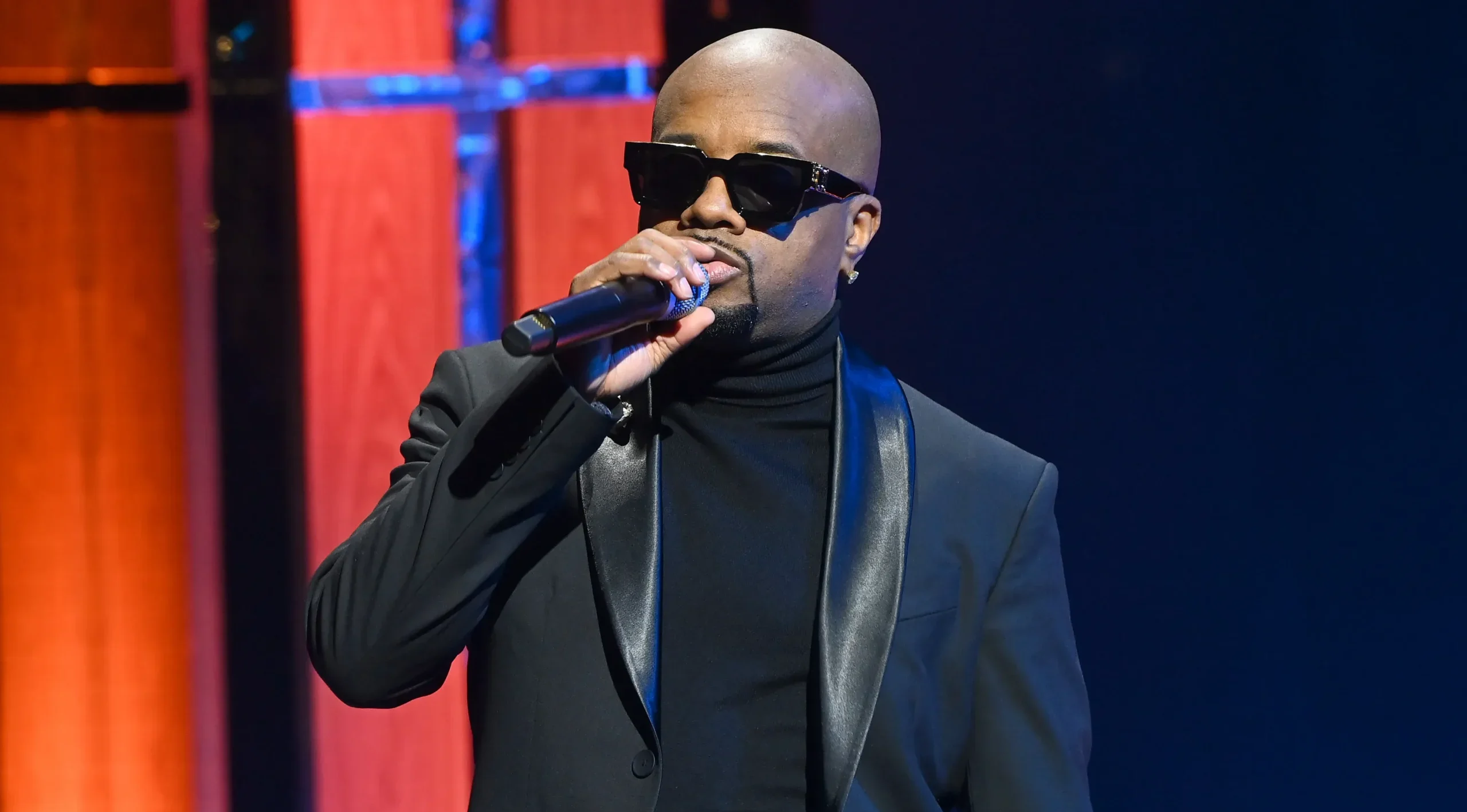
Grammy Award-winning music producer, songwriter and music executive Jermaine Dupri has launched a legal battle against Sony Music Entertainment, accusing the company of failing to properly account for millions of dollars in royalties generated over more than three decades of business together.
The lawsuit, filed in the U.S. District Court for the Southern District of New York, seeks damages exceeding $18 million and highlights claims that Dupri’s companies, So So Def Recordings and So So Def Productions, were deprived of royalty payments connected to numerous commercially successful recordings.
According to court filings, the dispute stems from a long-standing contractual relationship dating back to the early 1990s, when So So Def began working with Sony and its affiliated labels. Dupri argues that what initially appeared to be isolated accounting concerns eventually developed into evidence of broader financial discrepancies affecting multiple projects released over several decades.
The complaint alleges that Sony underreported royalties, failed to include certain royalty earnings in its accounting statements and, in some instances, revised royalty reports years after the revenues had allegedly been earned. Dupri maintains that these practices resulted in significant financial losses for his companies.
Among the recordings identified in the legal action are projects involving some of the biggest names associated with So So Def and Dupri’s production career, including Kris Kross, Xscape, Da Brat, Jagged Edge, Bow Wow, Bone Crusher, Usher and Mariah Carey. The lawsuit does not accuse these artists of wrongdoing; instead, it focuses on the accounting and royalty obligations between Dupri’s businesses and Sony Music.
One of the notable highlights of this legal battle involves royalties connected to Kris Kross, the rap duo whose debut became one of the defining hip-hop releases of the early 1990s. Dupri alleges that producer and override royalties relating to the group’s recordings were either not reported for many years or were only reflected in later accounting statements. Similar concerns have been raised regarding royalty payments tied to Xscape’s debut album and Da Brat’s breakthrough releases.
The lawsuit also questions Sony’s handling of recoupment balances, arguing that certain accounts continued to carry negative balances despite the commercial success of platinum-selling projects. Dupri’s legal team contends that these accounting methods improperly reduced or eliminated royalty payments that should have been distributed to his companies.
According to the filing, concerns over royalty accounting intensified after an independent review of financial records. The review allegedly uncovered discrepancies that prompted discussions between both parties before legal proceedings were initiated. Those discussions ultimately failed to produce a settlement, leading Dupri and his companies to seek relief through the courts.
In addition to recovering the alleged unpaid royalties, the lawsuit requests interest on the disputed amounts, reimbursement of legal costs and any further relief the court considers appropriate.
Sony Music has disputed the need for litigation. In a public statement following the filing, the company described the matter as a royalty accounting dispute that the parties had been attempting to resolve through ongoing discussions, adding that it was disappointed the disagreement had progressed to court rather than remaining in negotiations. Sony has not admitted any wrongdoing, and the allegations contained in the lawsuit have yet to be tested before the court.
The case arrives at a rather wrong time, a time when transparency in music royalty accounting is receiving increased attention across the industry. As streaming platforms continue generating revenue from recordings released decades ago, artists, producers and rights holders have become increasingly focused on ensuring that royalty statements accurately reflect earnings from digital, physical and international markets.
Industry observers note that while royalty disputes between artists and record companies are not uncommon, litigation involving a producer and label executive with a relationship spanning more than thirty years is relatively rare. The outcome of the case could influence how legacy recording agreements are interpreted and audited in the future, particularly where older contracts are conjunct with modern revenue streams.
For Jermaine Dupri, whose production work propelled the careers of numerous platinum-selling artists and contributed to the commercial success of So So Def Recordings, the lawsuit represents more than a monetary claim. It is also a challenge to the accounting practices and the transparency governing one of the music industry’s longest-running business relationships and earning sources.
The matter remains before the court, and no judgment has been made regarding the allegations. As legal proceedings continue, both sides are expected to present evidence supporting their respective positions, making the case one of the most closely watched royalty disputes in the music business this year.