
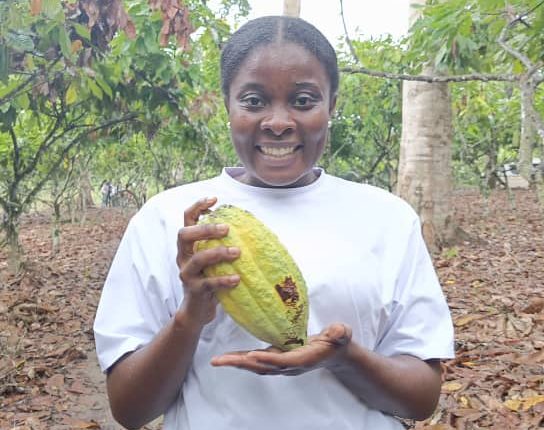
As Ghana strives to maintain its position as one of the world’s leading producers of premium cocoa, the sector is evolving not just to ensure sustainability, but also to combat climate change, eliminate child labour, and guarantee higher incomes for farmers. In cocoa-rich districts like Assin Fosu in the Central Region, the journey towards climate-smart cocoa farming is being championed by a coalition of determined stakeholders, including COCOBOD and its divisions including the Cocoa Health and Extension Division (CHED), the Quality Control Company (QCC), the Gesellschaft für Internationale Zusammenarbeit (GIZ) GmbH’s as well as the cocoa farmers themselves.
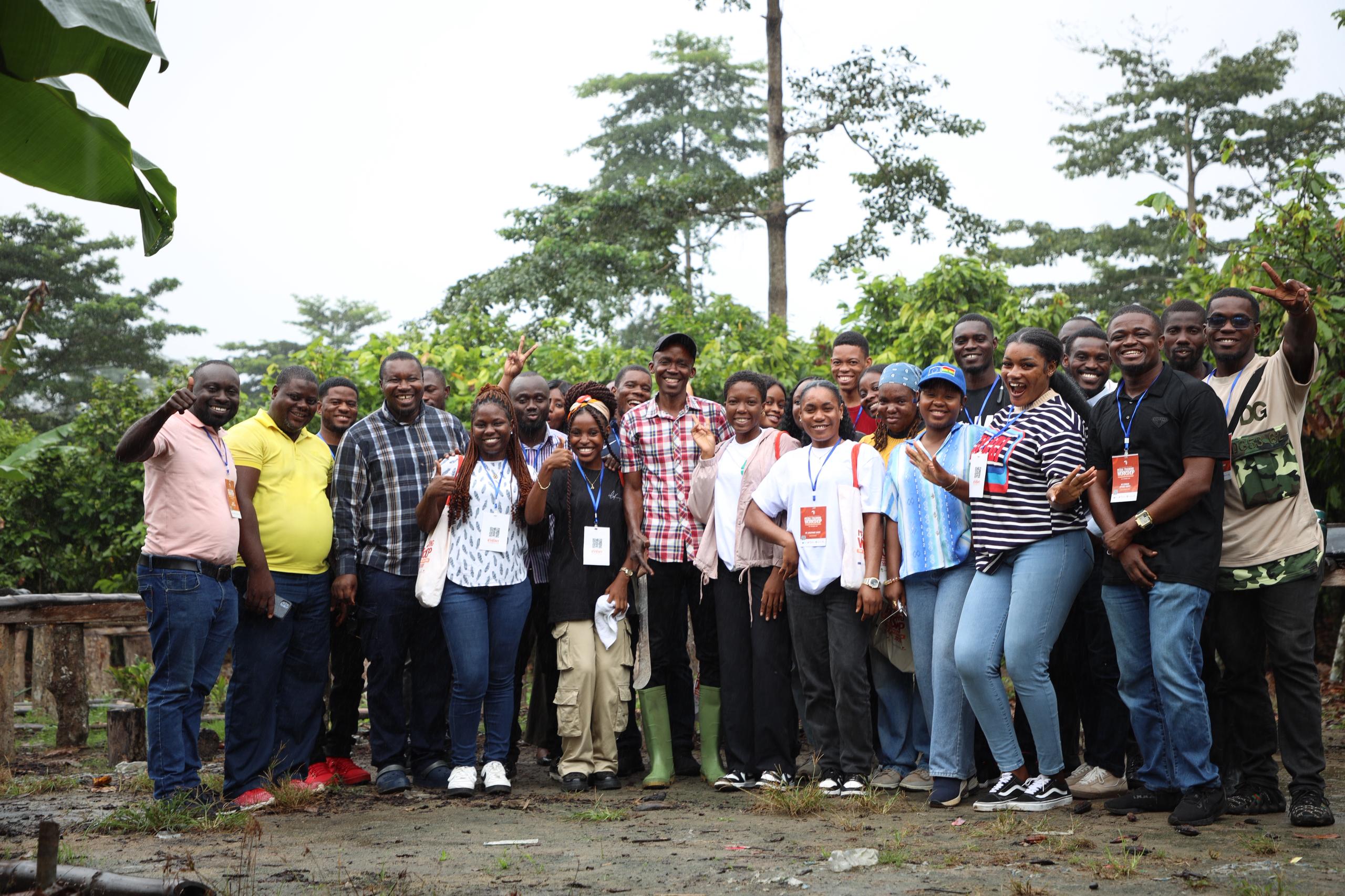
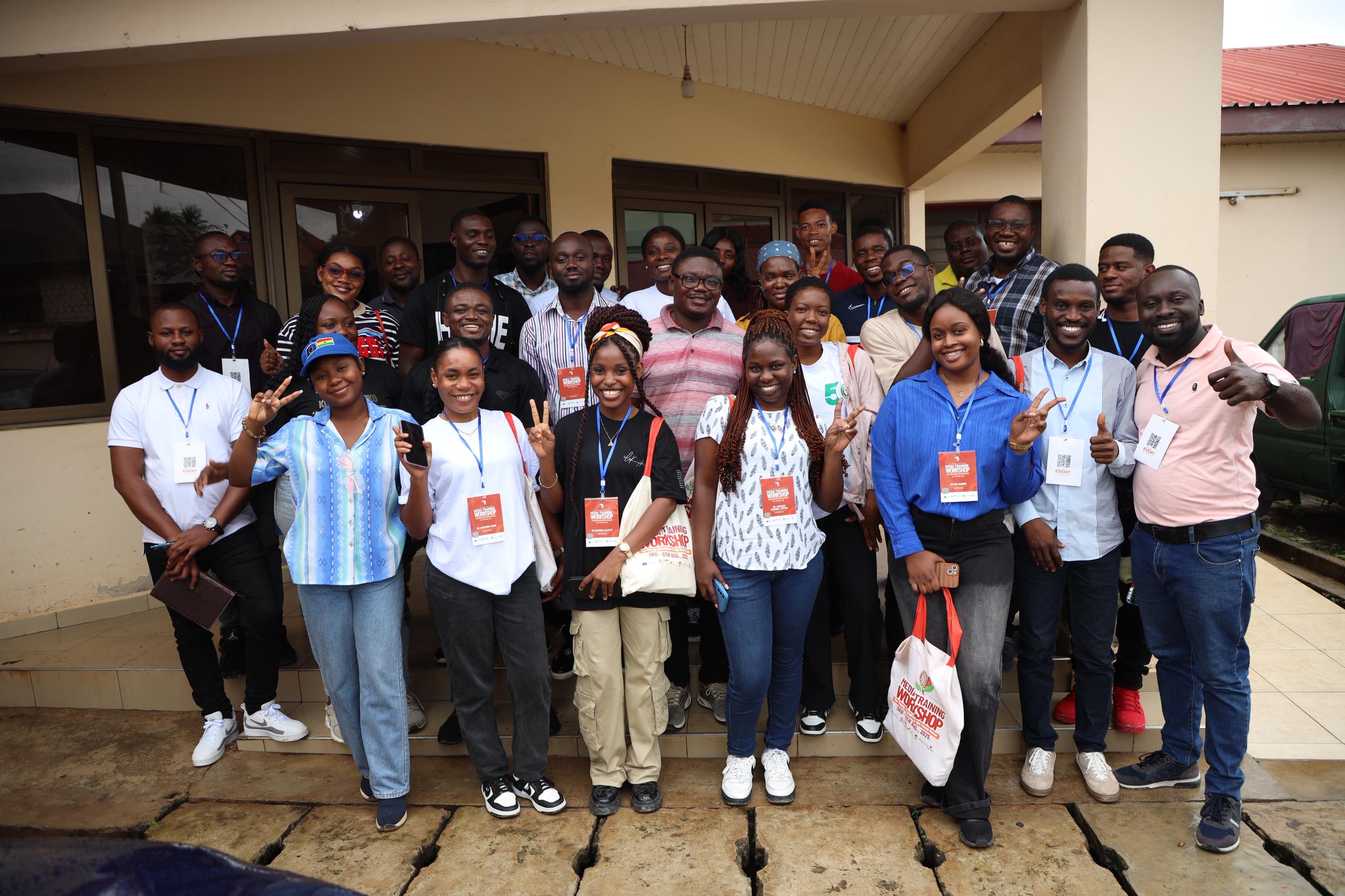
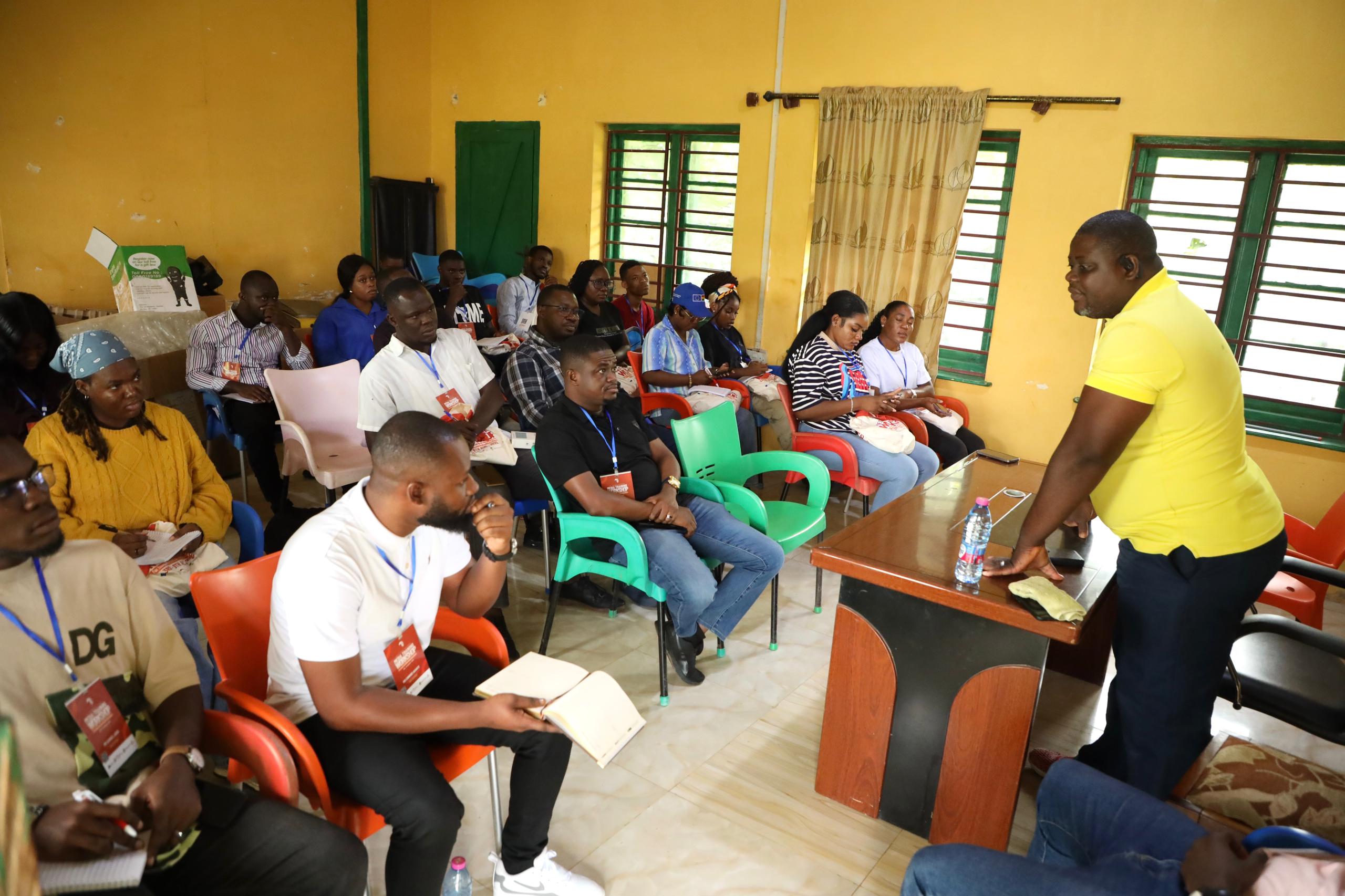
On a field visit with some colleague journalists undergoing the Gesellschaft für Internationale Zusammenarbeit (GIZ) GmbH’s Sustainable Cocoa Programme media training workshop powered by Power Avenue Media, first-hand measures and practices on how Ghana’s cocoa sector is aligning with climate-smart practices, traceability standards, and socio-economic empowerment for farmers were seen.
CHED: Cultivating a New Generation of Resilient Cocoa Farms
At the heart of the cocoa transformation in Assin Fosu is CHED, the technical wing of COCOBOD responsible for farmer training and extension services. Abdul Rahman Ayiku Tetteh, the Pruning and Cocoa Management System Coordinator at CHED in Assin Fosu, explained the agency’s multi-pronged approach to sustainable cocoa farming.
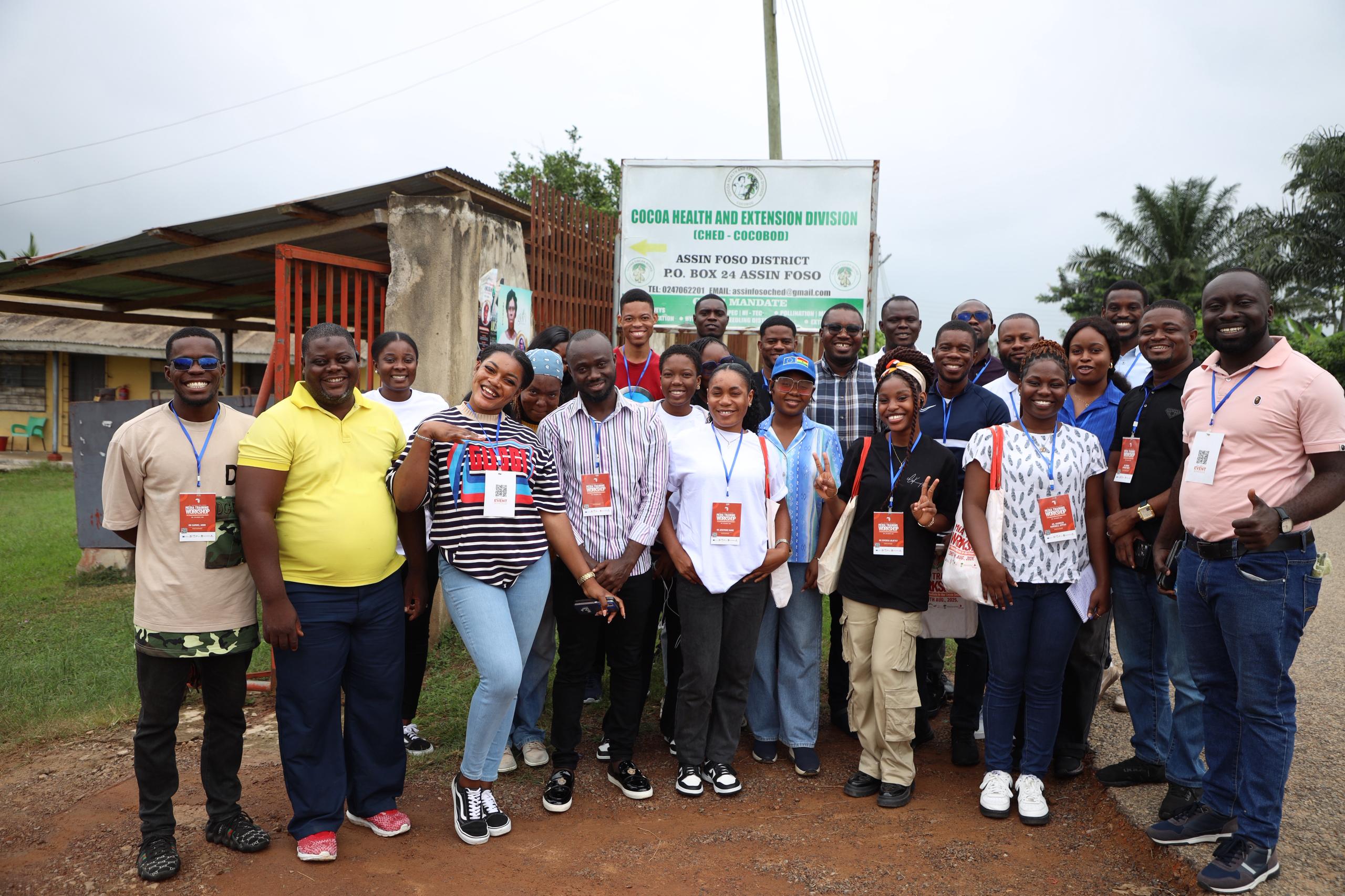
“We are educating farmers not just to plant cocoa, but to manage cocoa farms as agribusinesses,” he said. “Through targeted pruning programmes, shade management, pest control, and introduction of climate-resilient varieties, we are preparing them to thrive amid climate variability.”
He emphasised CHED’s commitment to cultural practices that support higher yields and reduce disease. “Our pruning campaigns are changing the landscape of cocoa in this region. It improves aeration and reduces black pod disease, which thrives in moisture-laden environments.”
Quality Control Company (QCC): Guarding Ghana’s Cocoa Gold
Quality control is non-negotiable in Ghana’s cocoa narrative. At the Quality Control Company Limited (QCC) office in Assin Fosu, Yaw Asamoah , Principal Quality Control Officer, stressed the need for maintaining Ghana’s global cocoa reputation.
“Climate-smart cocoa is not just about planting trees. It’s about ensuring the cocoa beans meet international quality standards—moisture, fermentation, cleanliness, and now, traceability,” Asamoah explained. “We’re working with farmers to ensure beans are dried properly, free from foreign materials, and conform to the Ghana standard.”
He added that traceability systems will enhance not only quality assurance but also farmer accountability and benefits across the value chain.
Ghana Cocoa Traceability System: Building Trust and Transparency
At the core of Ghana’s modern cocoa revolution is the Ghana Cocoa Traceability System (GCTS)—a digital platform launched to meet EU regulations on sustainable cocoa sourcing. The system allows every bag of cocoa to be traced from the farm to the export point.
It was created to enhance transparency, sustainability, and quality assurance in the cocoa industry. The GCTS has undergone a pilot phase in the Assin Foso district, where over 40,000 farms have been mapped and more than 20,000 farmers registered. The system is now being rolled out in 70 cocoa districts, with plans for wider implementation across the country.
The system involves the registration of farmers, purchasing clerks, and other stakeholders in the cocoa supply chain. The GCTS utilises the Cocoa Management System (CMS) to collect data on farmers, their farms, and cocoa bean transactions. The GCTS is being developed and implemented with the support of various stakeholders, including GIZ Ghana, the European Union, and other international partners.
The Farmer’s Perspective
Farmer Samuel Torbi, a seasoned cocoa farmer in Assin Fosu, offered compelling insight into how traceability has transformed his farming operations.
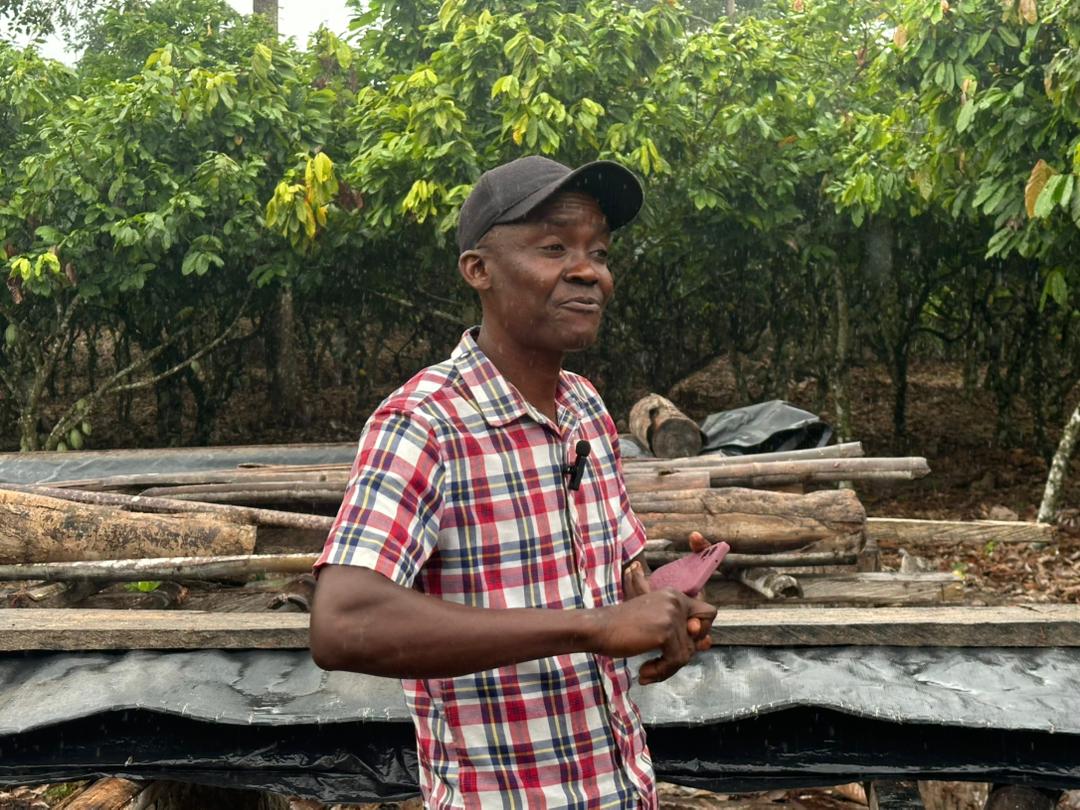
“Traceability helps a lot. We get more advantage from it. We were told not to use our children in cocoa farming, and we have access to good education and I’m able to get the correct acre of my land,” he explained. “And also, I’m able to target the correct number of bags I’ll get from an acre because during the traceability, I’m able to tell that this farm is seventeen acres. So, if not for traceability I won’t do this calculation and I won’t be serious with cultural practices as we were told to do. So, traceability is very good.”
The system is also helping align local practices with global sustainability demands, building trust between Ghanaian cocoa farmers and international buyers.
Farmers Taking the Lead in Climate-Smart Practices
Samuel Torbi’s dedication to environmentally sound farming practices is exemplary. His farm has become a model of climate-smart cocoa production in Assin Fosu.
“We started cultural practices during February, which began with weeding, then followed up with massive pruning where we want good ventilation in the farm,” he said. “When there is mistletoe on the cocoa, we use our labour to cut and bury it somewhere so it does not affect the crops.”
These seemingly simple actions—pruning, weeding, and mistletoe removal—form the foundation of sustainable cocoa farming. Torbi’s practices align with the agronomic advice of CHED, and his results speak for themselves: higher yields, better quality beans, and a resilient farm.
The Way Forward
Ghana’s cocoa sector is no longer just about exporting beans—it is about traceability, sustainability, climate action, and community development. The path forward lies in the continued collaboration of stakeholders.
With traceability as a tool, and climate-smart practices as a compass, Ghana is charting a bold, sustainable future—one cocoa pod at a time.
The writer is a journalist with Channel One TV/Citi FM
Email: [email protected]