
Every single year after the Telecel Ghana Music Awards (TGMA), Ghanaians suddenly turn into fashion police officers with degrees from imaginary universities.
One red carpet appearance and social media becomes a courtroom. Somebody wears something dramatic, experimental, oversized, culturally symbolic or simply different, and within seconds the insults begin.
“This is nonsense.”
“They just want attention.”
“Why would anyone wear this?”
“This is embarrassing.”
And honestly, the outrage is becoming more exhausting than the outfits themselves.
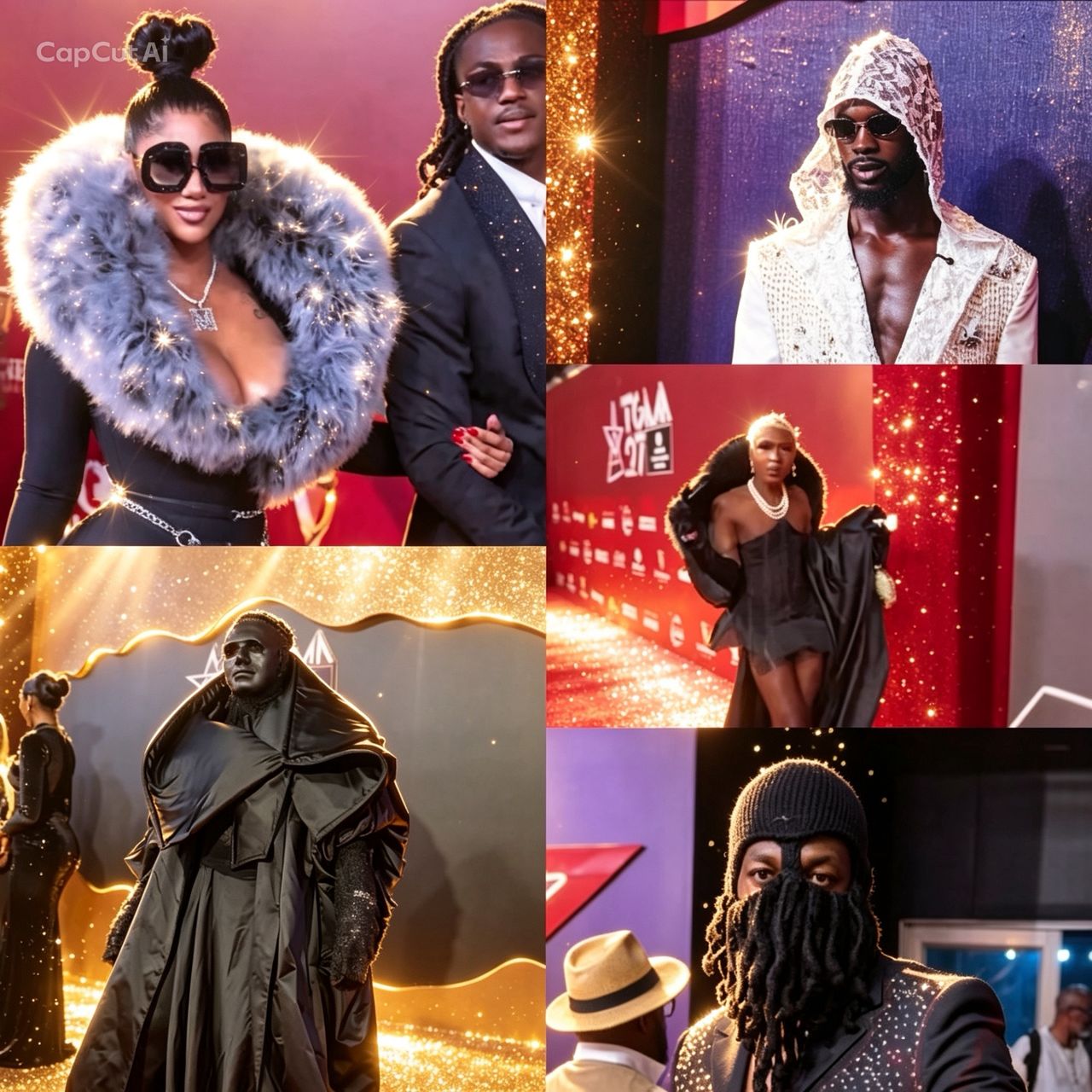
The 27th TGMA was no different. The red carpet was filled with all kinds of fashion choices — structured suits, extravagant gowns, palazzos, avant-garde pieces, traditional looks, futuristic concepts and outfits designed purely to spark conversation. Yet instead of allowing people to express themselves, many Ghanaians spent the night aggressively mocking individuals for daring to dress outside what society has quietly accepted as “normal.”
Critiquing fashion is fine. Fashion has always invited opinions. But there’s a difference between critique and pure intolerance for creativity.
What exactly is the crime here?
Because last time I checked, there is no official TGMA rulebook that says everyone must wear a black tuxedo, a simple corset gown or look “safe” to be accepted by social media.
People dress for different reasons. Some dress to make statements. Some dress to represent culture. Some dress to market themselves. Some dress for shock value. Some simply dress because fashion, to them, is art.
And art has never survived by being predictable.
What makes this even more ironic is how quickly we are to applaud eccentric fashion internationally while tearing our own people apart locally. At the Met Gala, celebrities show up wearing giant sculptures, robotic outfits, exaggerated silhouettes and abstract concepts, and the internet calls it “iconic,” “bold” and “high fashion.”
During Paris Fashion Week, people wear outfits that barely make sense to the average person, yet the same Ghanaians repost those looks with admiration.
But once it happens in Ghana, suddenly everyone becomes offended.
Why?
Because it’s happening at the TGMA?
Because a Ghanaian wore it?
Because it doesn’t appeal to your personal taste?
Not every outfit is supposed to make you comfortable. Fashion is subjective. What looks ridiculous to one person may look visionary to another. That is literally the point of creative expression.
I saw comments saying: “We have outstanding designers in Ghana, Even Kiekie’s AMVCA dress was made by a Ghanaian designer, and I’m so pissed.”
But are you paying for these outfits? Are you sponsoring their stylists? Are you funding the designers? If not, why do some people behave as if they have authority over what others should wear?
The truth is, some Ghanaians have become incredibly pretentious when it comes to fashion conversations. We act as though personal taste is law. If an outfit doesn’t sit well with us, we immediately label it “trash,” “attention-seeking” or “madness,” without even trying to understand the concept behind it.
Take what Okyeame Kwame wore to this year’s TGMA for example. Whether you liked it or not, there was clearly a message and artistic direction attached to it. But how many people actually cared enough to ask what inspired the look before rushing online to insult him?
Chale pic.twitter.com/5JZdIJ11te
— Bofrot1cedi (@bofrot1cedi) May 9, 2026
That’s the problem. We no longer engage creativity with curiosity. We engage it with mockery.
And let’s be honest, controversy is part of what keeps award shows alive. These conversations, debates, memes and reactions keep the TGMA trending for days, sometimes weeks. The organisers understand that spectacle drives attention.
Red carpets are no longer just about looking nice. They are about visibility, branding, statements and moments people will talk about long after the awards end.
Everybody attending that carpet knows exactly what they are doing.
Some want to trend.
Some want to market a designer.
Some want to challenge fashion norms.
Some want headlines.
Some simply want all eyes on them.
And there is absolutely nothing wrong with that.
You do not have to like every outfit. Nobody is asking you to. But maybe Ghanaians need to stop acting like unconventional fashion is a national emergency. Creativity cannot grow in an environment where people are bullied every time they try something different.
The TGMA red carpet is one of the biggest entertainment stages in Ghana. People will experiment. People will exaggerate. People will fail sometimes. People will shock you.
That is what makes fashion interesting in the first place.