
Food insecurity is a global challenge, but the way it is addressed often reflects local needs and cultural realities. In the United States, food banks operate as vast distribution networks, while in Ghana, the RNAQ Foundation has introduced a different model serving hot meals directly to those in need.
In the U.S., food banks such as Feeding America act as central warehouses. They gather donations from farms, supermarkets, and individuals, storing and distributing food to local partners. These partners—churches, shelters, and community centres are the ones who place food directly into the hands of families.
The system prioritises bulk storage and redistribution of staples: rice, pasta, canned goods, and sometimes fresh produce or dairy. Access can depend on documentation, though many outlets operate on an open-door basis.
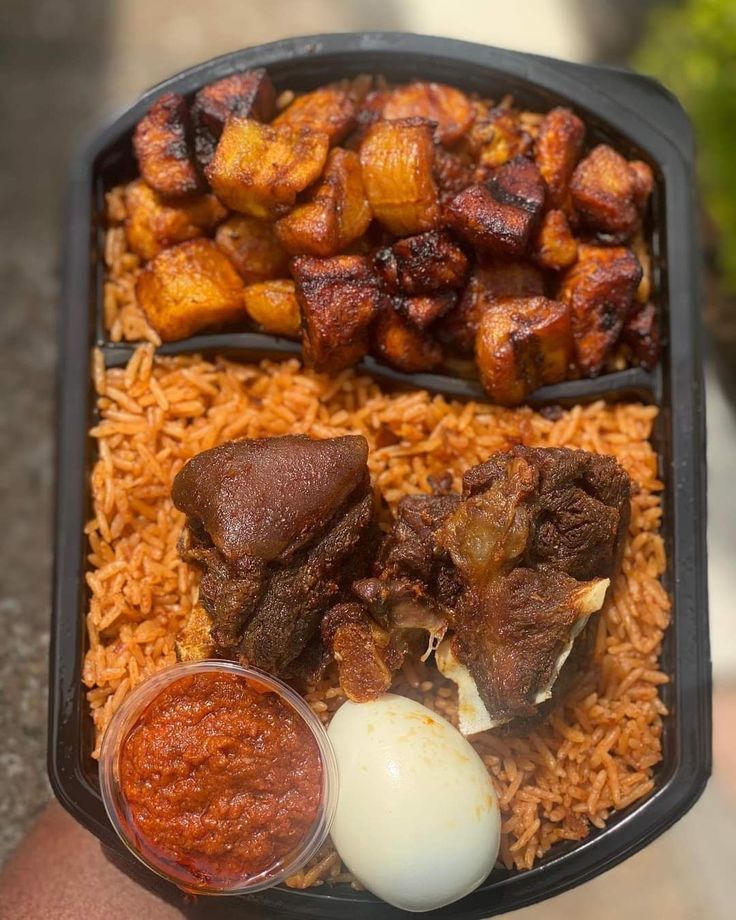
By contrast, Ghana’s RNAQ Food Bank, founded by businessman Richard Nii Armah Quaye, takes a more personal approach. Instead of passing on bags of foodstuffs, it provides freshly cooked meals at designated locations in Accra, Kasoa, Ashaiman, Odorkor and Madina. Beneficiaries ranging from low-income households to the elderly and children on the streets receive hot, nutritious food daily. To access the service, individuals use their Ghana Card, a measure designed to ensure fairness and accountability.
Quaye describes the initiative not as charity, but as nation-building. He has pledged to commit up to 90 per cent of his business earnings to keep the project alive, with ambitions to expand nationwide. The model also supports local food vendors, ensuring the programme strengthens both social welfare and local economies.
The juxtaposition is striking: in the U.S., the emphasis is on logistics and scale; in Ghana, it is on dignity, immediacy, and community impact. Both approaches tackle hunger, but each is tailored to its environment—one through vast supply chains, the other through a direct plate of food.