
When the hashtag #DubaiPortaPotty went viral in 2022, it was treated like a grotesque internet meme, a bizarre story about young women being paid to endure humiliating acts for wealthy men in Dubai. For many, it was just gossip. For others, it was a moral scandal to laugh at or condemn.
But behind the memes lay real women, real exploitation and real deaths.
A fall in Al Barsha
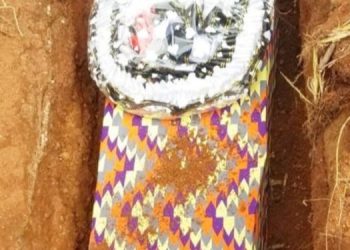
In May 2022, 23-year-old Monic Karungi, known online as Mona Kizz, plunged from a high-rise building in Dubai’s Al Barsha district. Police quickly ruled it a suicide. Months earlier, another Ugandan woman, Kayla Birungi, had died the same way in the same neighbourhood.
Two young lives gone — and two families back home in Uganda left with more questions than answers.
To the outside world, Monic’s name became shorthand for a scandal. Online, she was branded the “Dubai Porta Potty girl,” her life reduced to a hashtag. But BBC Africa Eye’s latest documentary, Death in Dubai, strips away the sensationalism to show the flesh-and-blood story of women like her.
Dreams turned nightmare
Reporter Runako Celina traces how young women were enticed with promises of glamorous jobs abroad — as housemaids, models, influencers. Families sold land, borrowed money, and trusted the agents. But when the women arrived in Dubai, the reality was starkly different.
Passports were seized. Debts piled up. Many were coerced into sex work, trapped in apartments, told they owed money for their flights, visas and “placement fees.”
One survivor, who goes by the name Lexi, recalls being locked in a room until she agreed to service clients. What followed was worse: she was urinated on, defecated on, and racially abused — sometimes filmed against her will.
“It was like my dignity was sold,” she says in the documentary.
The man in the middle
The investigation points to Charles “Abbey” Mwesigwa, a Ugandan fixer accused of luring women into the trade. Survivors say he organised sex parties where abuse took place. Mwesigwa denies being behind the exploitation, but his name echoes in testimony after testimony.
Beyond the hashtag
The viral hashtag #DubaiPortaPotty made the world snicker. But for families in Uganda, it is not a meme — it is grief. Monic and Kayla’s deaths, dismissed as suicides, still hang heavy over their parents and siblings.
The documentary forces us to see past the social media circus and confront the deeper issue: how poverty and desperation make young African women vulnerable to trafficking, how powerful men exploit them with impunity, and how quickly society forgets them once the trend passes.
A Ghanaian warning
Here in Ghana, the story resonates sharply. Just last year, police uncovered recruitment scams in Accra and Kumasi that promised young women “opportunities” in the Gulf. Many ended up in abusive domestic work, some stranded without documents, others trafficked into sex work.
Civil society groups have repeatedly warned that young Ghanaian women are at risk of falling into the same traps. With unemployment high and the allure of quick money abroad so strong, the temptation is real.
The tragedy of Death in Dubai is therefore more than Uganda’s story — it is a warning for Ghana. Behind every glittering promise of opportunity abroad may lie danger, exploitation, and silence.
A call to remember
For Monic and Kayla, their names may have been mocked online, but their stories deserve to be remembered with dignity — not hashtags.
And for young Ghanaians dreaming of Dubai, the story is a reminder: not all that glitters in the Gulf is gold.