
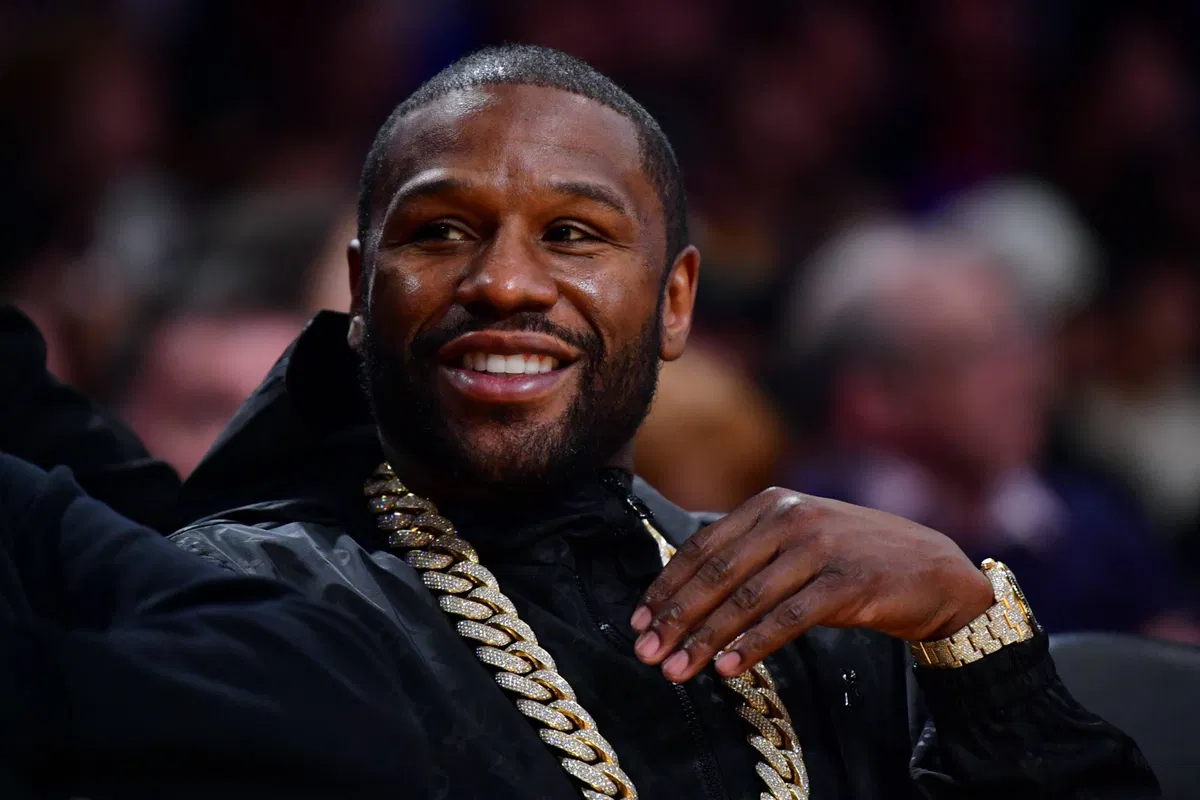
Floyd “Money” Mayweather Jr., the undefeated boxing legend known for his extravagant lifestyle and high-profile earnings, is once again in the financial spotlight. On December 28, 2025, Business Insider published an in-depth report examining the former champion’s post-retirement finances, shedding light on a complex and precarious financial landscape.
According to the report, Mayweather has leveraged a $54 million loan using a significant portion of his assets as collateral, including his private jet, multiple residential properties, and even a Las Vegas strip club. While the loan itself is legal and not unusual for high-net-worth individuals, the sheer size and scope of the collateral illustrate how intertwined Mayweather’s investments and lifestyle have become.
The report further notes that in the past 18 months, two of Mayweather’s commercial properties were foreclosed on, and several others are at risk due to unpaid taxes and liens, including a property tied to his Las Vegas strip club. In addition, he has faced multiple lawsuits from suppliers, service providers, and business associates alleging unpaid bills and contractual disputes.
While these financial pressures paint a picture of risk, it is important to note that Mayweather has not filed for bankruptcy, and the report does not claim he is insolvent. Headlines and social media commentary suggesting that he is “on the verge of bankruptcy” are interpretations and exaggerations, not direct statements from Business Insider.
Mayweather himself, through representatives and legal counsel, has strongly denied that he is facing financial collapse. He has emphasised that borrowing against assets is a common practice among successful businesspeople and that his team continues to manage his ventures and properties. While the report documents legitimate financial stressors, including foreclosures, liens, and legal claims, it also underscores Mayweather’s continued ability to leverage his wealth and maintain operations across multiple business ventures.
What emerges from the report is a nuanced picture of a former athlete who, even after amassing immense wealth in the boxing ring, operates with a high-risk financial profile. He continues to maintain a lifestyle befitting his public persona, balancing lavish expenditures with strategic borrowing, all while navigating legal and financial challenges that come with a complex portfolio of assets.
Whether Mayweather will successfully manage these pressures or face further complications remains to be seen, but the story serves as a compelling case study in the realities of post-retirement finances for high-profile athletes. The narrative is not one of imminent collapse, but rather of the intersection between extraordinary wealth, high-risk financial manoeuvres, and the public scrutiny that inevitably follows a figure of Mayweather’s stature.