

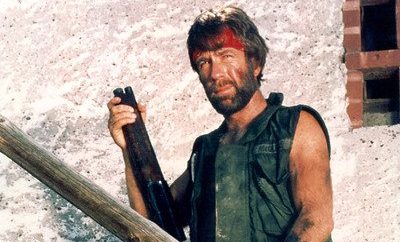
There are action stars—and then there was Chuck Norris.
For decades, his name stood for more than just film credits. It meant strength, discipline, justice, and a kind of quiet, unshakable toughness that defined an era of cinema.
With his passing on March 20 at the age of 86, the world doesn’t just lose an actor—it says goodbye to a figure who helped shape what it means to be a hero on screen and beyond.
The Fight That Started It All
Every legend has a beginning. For Chuck Norris, it came in a Roman colosseum.
In Way of the Dragon (1972), he faced Bruce Lee in a battle that would become one of the most iconic fight scenes in film history. It wasn’t just choreography—it was a moment that introduced Norris to the world as a force to be reckoned with.
From there, films like Good Guys Wear Black (1978) and A Force of One (1979) solidified his rise. He wasn’t just a martial artist anymore—he was a leading man.
The 1980s: When Toughness Became His Trademark
If the 70s introduced Chuck Norris, the 80s defined him.
In Lone Wolf McQuade (1983), he became the lone lawman—quiet, relentless, and unstoppable. It was a role that felt less like acting and more like a reflection of who he was.
The Missing in Action series (1984–1985) turned him into a symbol of resilience and patriotism. These films connected deeply with audiences and elevated his status as a global action star.
Then came Code of Silence (1985)—a performance that proved he could bring depth and seriousness to his roles. And with The Delta Force (1986), he stood at the center of high-stakes action storytelling.
By the end of the decade, Chuck Norris wasn’t just part of the genre—he was one of the faces of it.
More Than Muscle: Growth and Humanity
As the years went on, Norris didn’t fade—he evolved.
Films like Delta Force 2 (1990) and The Hitman (1991) kept his action legacy alive. But it was Sidekicks (1992) that revealed something different—a softer, more inspirational side that resonated with younger audiences and later became a cult classic.
It showed that behind the toughness was something deeper: mentorship, humility, and heart.
Walker, Texas Ranger: The Role That Made Him Immortal
If one role ensured Chuck Norris would never be forgotten, it was Cordell Walker.
In Walker, Texas Ranger (1993–2001), Norris stepped into living rooms around the world—not just as a fighter, but as a symbol of justice and moral clarity.
Week after week, he delivered more than action. He delivered values.
The show’s global success and enduring reruns turned him into a household name across generations. For many, this is where Chuck Norris became more than a star—he became an institution.
The Legend Beyond the Screen
Long after the credits rolled, Chuck Norris’s legacy only grew.
In the age of the internet, he became something rare: a real person transformed into myth. The “Chuck Norris facts” phenomenon turned his toughness into legend, introducing him to a new generation in a way no script ever could.
But behind the humor was truth—his discipline, achievements, and presence were genuinely extraordinary.
A Legacy That Will Outlive Time
Chuck Norris didn’t rely on flash or noise. His power was quiet, controlled, and consistent.
He built a career—and a life—on principles that never went out of style: strength, integrity, and perseverance.
From the martial arts arenas to Hollywood sets, from cinema screens to television history, his impact is undeniable.
Chuck Norris didn’t just play heroes.
He defined them.
And while the man may be gone, the legend—built through every film, every role, and every moment—will continue to stand, unshaken, for generations to come.
Explore all the juicy entertainment news you desire with GhanaWeekend on WhatsApp!
Click on the link to join the GhanaWeekend channel for curated, meaningful stories tailored just for YOU: https://whatsapp.com/channel/0029VaJ31iEDTkK8wIHNj31A