

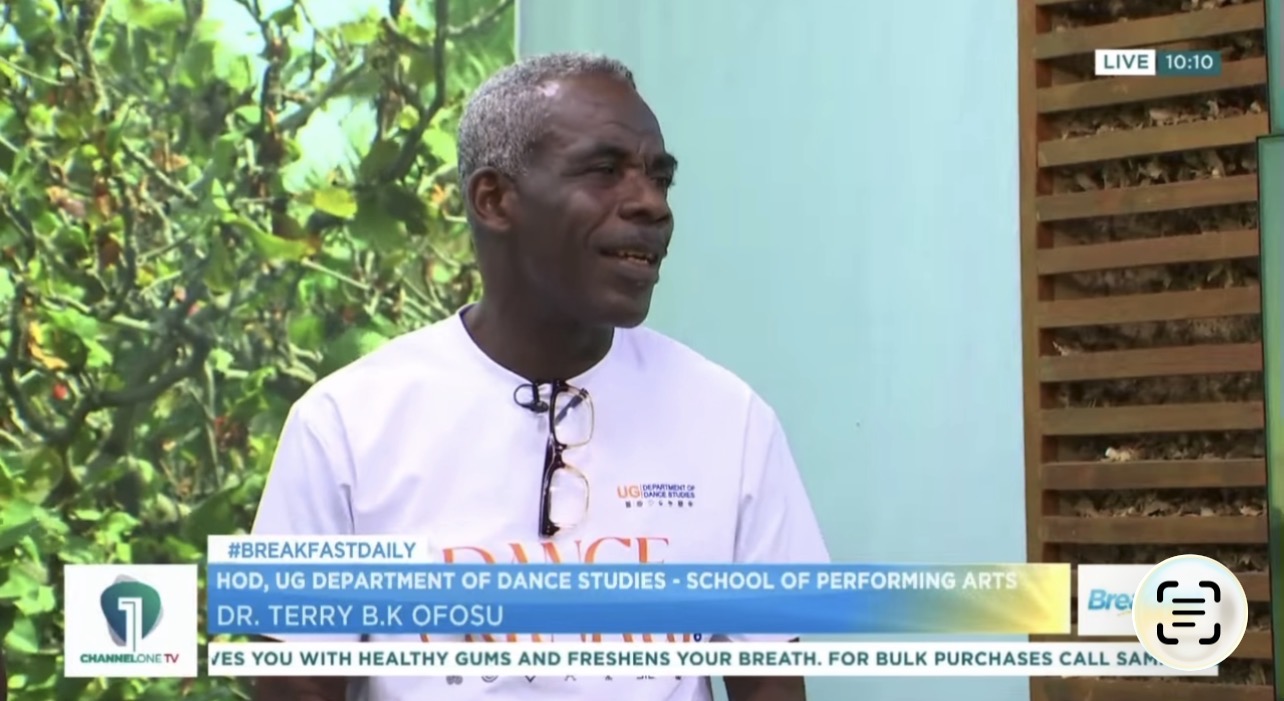
Dance scholar and lecturer at the University of Ghana, Dr Bright Terry Ofosu, has underscored the need for dance educators, especially in contemporary styles, to remain actively engaged and constantly updated in their craft.
Speaking on Breakfast Daily on Channel One TV with Chris Kata on Friday, April 17, Dr Ofosu explained why his teaching style is more immersive compared to the traditional “instruction-only” approach often associated with classical dance training.
According to him, his approach is largely shaped by his decision to specialise in pop dance—a genre he says is constantly evolving.
“What I’ve decided to do is to look at pop dance as my area of specialisation. And you know that pop dance keeps moving with time, so it keeps changing. If you want to be a lecturer at that, you have to be abreast of time,” he said.
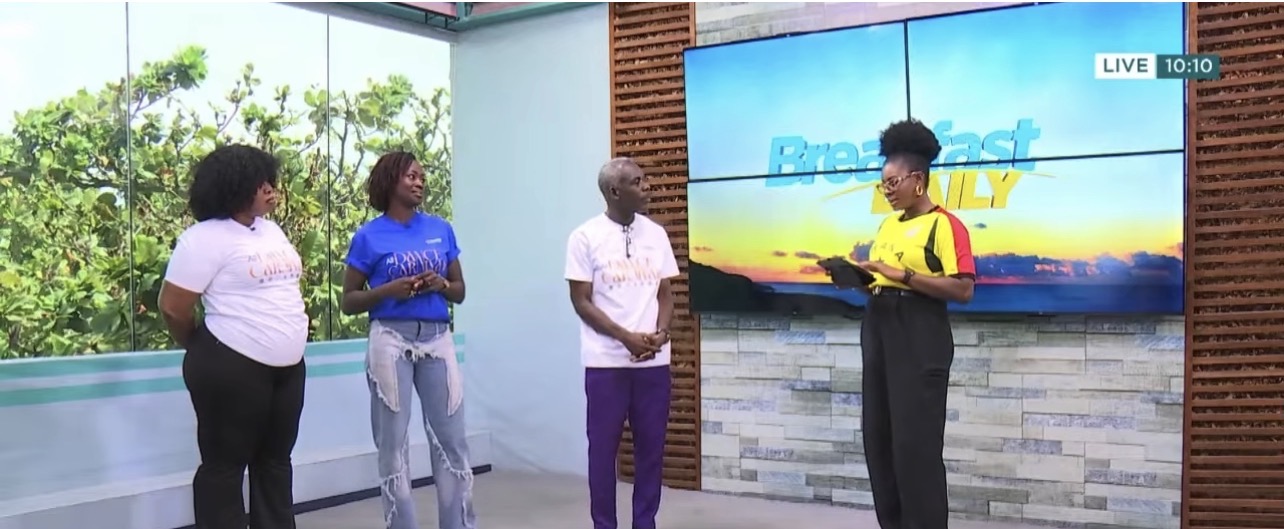
He stressed that staying relevant requires continuous research and practical engagement.
“Constantly you have to research, get new forms of dances and be on top of it. Because for the youth that I’m teaching, that is their language. So I have to be kind of ahead,” he noted.
Ofosu contrasted this with classical dance systems, which he explained have been formally structured and codified over time.
“In classical dance, what they have done is that they have codified the dances. They have names for all the movements, so a professor can even sit and call the codes, and the students will know exactly what to do,” he explained.
However, he pointed out that contemporary and pop dance in Ghana and similar contexts do not yet enjoy that level of formal structure or recognition, making teaching more demanding.
“Here, we are about trying to do that because we don’t have the space and the respect for what we do. So half of the time, you are caught trying to educate people about what dance is,” he said.
Despite these challenges, Ofosu remains committed to advancing dance education and helping shape a deeper appreciation for the art form.
“It is a very difficult scenario for us, but we are still here,” he added.
His insights highlight the evolving nature of dance education in Ghana, where practitioners continue to balance performance, research, and advocacy in a bid to elevate the discipline.