

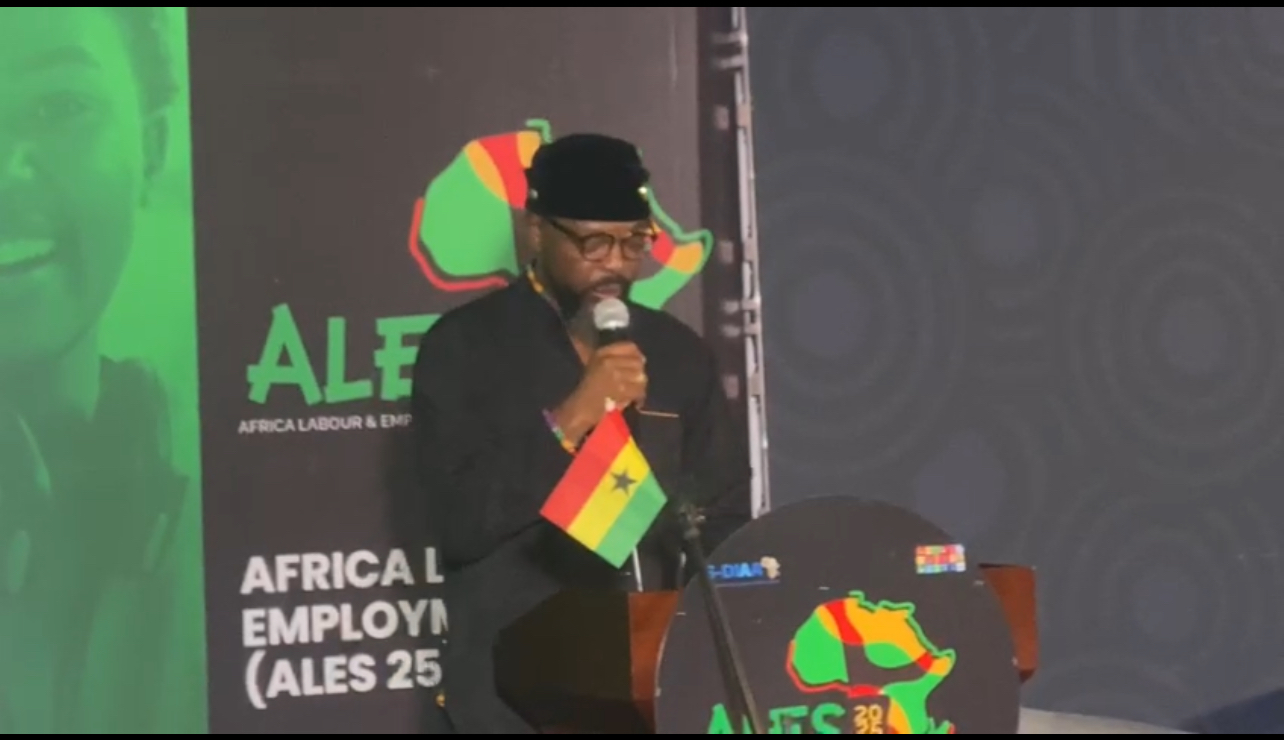
Kofi Okyere-Darko (KOD), Director of Diaspora Affairs at the Office of the President, has called for bold, inclusive, and forward-thinking strategies to address Africa’s pressing employment challenges.
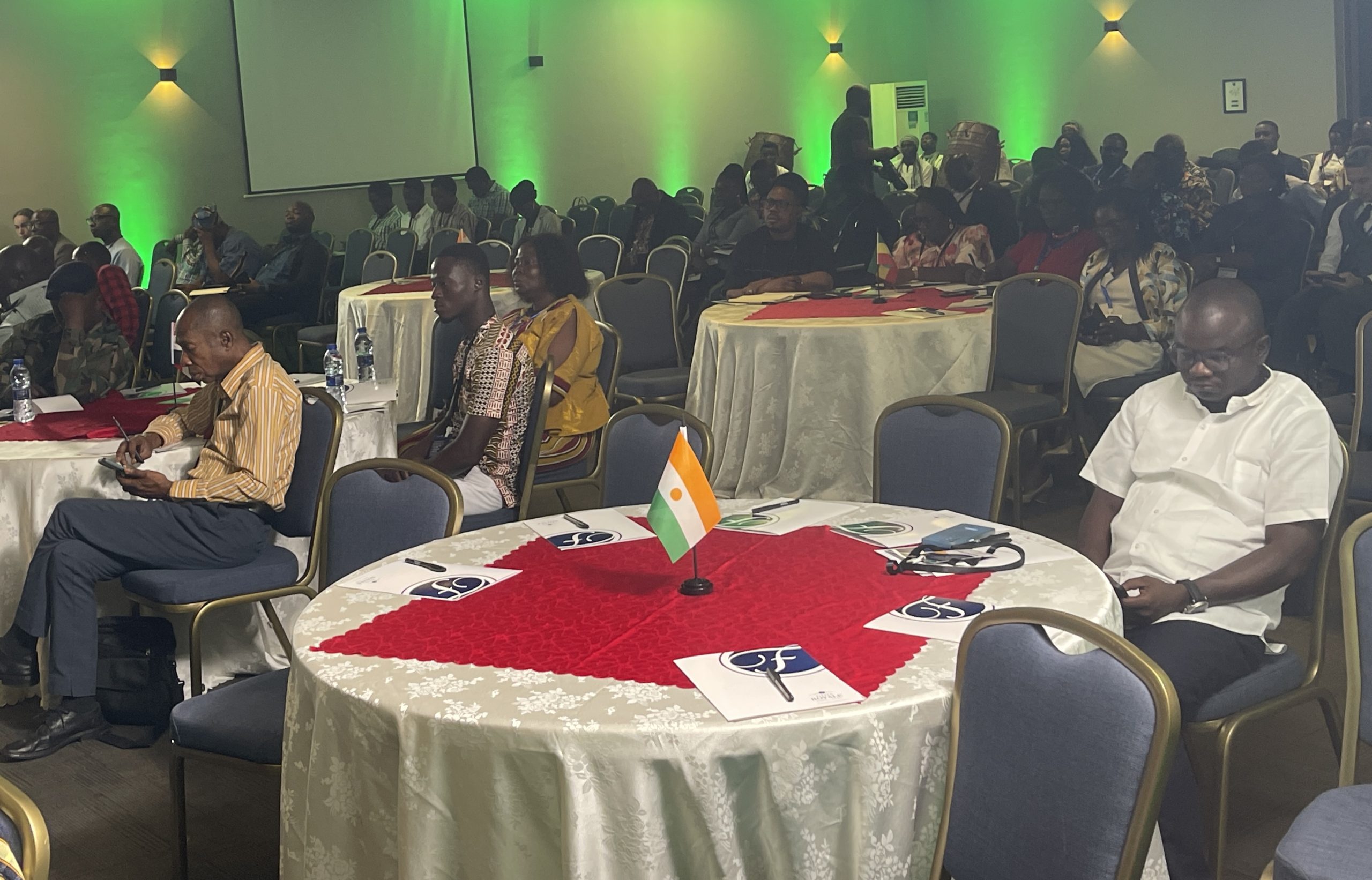
Speaking at the African Labour and Employment Summit (ALES) 2025—held on July 24 in Accra on the the theme “The Future of Work and Labour Migration in Africa,” KOD emphasised the urgent need to build future-ready labour systems.
He stressed that the future of Africa’s youth hinges on the decisions leaders make today.
“Africa has the youngest population in the world, with more than 60 percent under the age of 25,” he noted. “This can become either our greatest advantage or our worst crisis, depending on the courage of our actions.”
KOD pointed out that Ghana is taking practical steps beyond policy statements by actively implementing programmes that connect diaspora talent to national development.
He highlighted the country’s ongoing diaspora engagement policy, which is currently being operationalised to help fill labour gaps, boost productivity, and support job creation and reintegration.
“We’ve moved from policy rhetoric to actual implementation,” he said. “Through this policy, we are reimagining how Ghanaian professionals abroad can contribute to our labour market and national growth.”
Among the key projects he mentioned is Ghana’s collaboration with the Vanuatu Trade Commission, which is equipping Ghanaian youth with skills in artificial intelligence (AI) and automation.
“We’re currently training young people in AI and automation under this partnership,” he said. “These are forward-looking steps that prepare our people for tomorrow’s economy.”
He also underscored the government’s alignment with the 24-hour economy agenda, which seeks to expand employment opportunities across sectors and time zones.
“Through this initiative, we are creating continuous employment pathways that match the changing nature of global work,” he added.
Despite these advances, KOD acknowledged ongoing challenges across the continent. He noted that over 80 percent of Africa’s workforce remains in the informal sector, while issues such as unemployment, gender inequality, and exclusion of persons with disabilities continue to persist.
On labour migration, he described it as essential but under-supported.
“Labour mobility is development mobility,” KOD said. “But we must build systems that support this—such as recognising skills across borders, protecting migrant workers, and formalising remittance flows to reduce dependency and enhance productivity.”
He further revealed that the Diaspora Affairs Office, through the Intersectoral Implementation Committee (ISIC), is working across institutions and countries to integrate diaspora skills and investments into Ghana’s national labour framework.
The summit continued with various expert panels and discussions focused on regional labour frameworks, the digital economy, and the role of the African Continental Free Trade Area (AfCFTA) in promoting labour mobility and inclusive growth across the continent.