

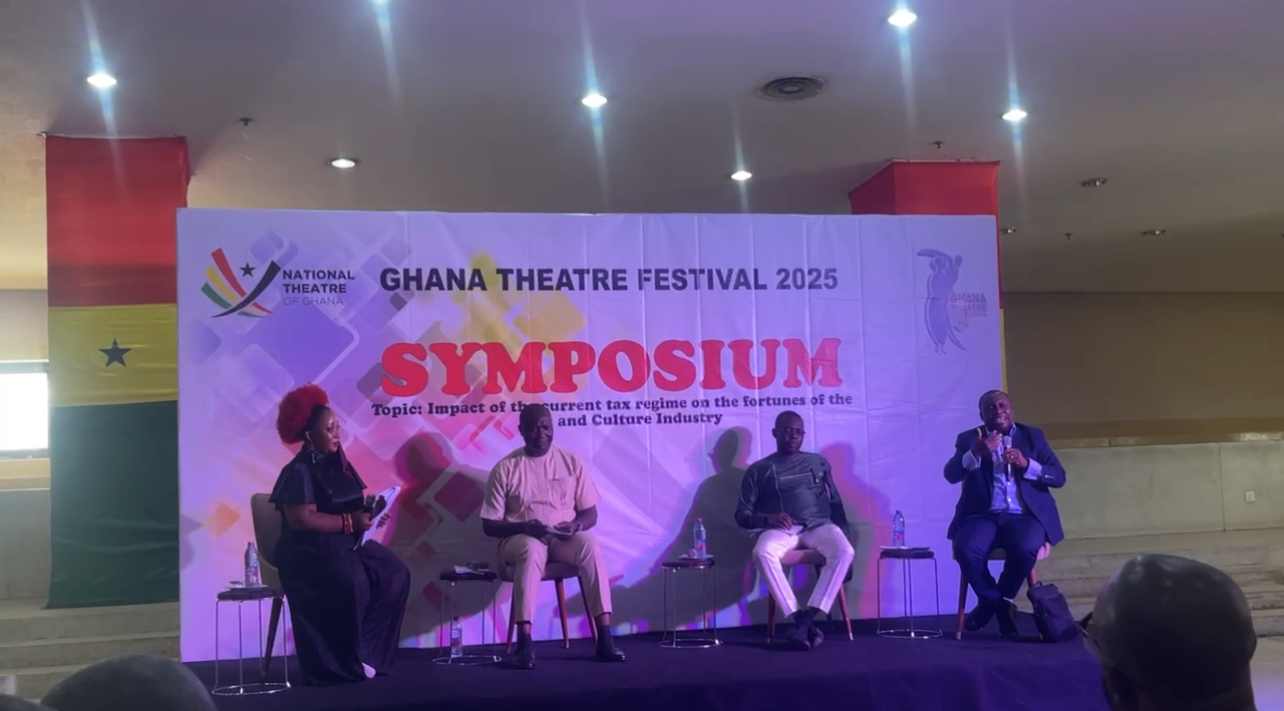
The Ghana Theatre Festival 2025 has sparked critical dialogue on how Ghana’s tax regime is shaping the future of the arts and culture industry.
A symposium held on September 25 at the National Theatre brought together policymakers, tax experts, and creative industry stakeholders to unpack the impact of the current tax system on the fortunes of the arts and culture sector.
The discussion stemmed from concerns that while the arts and culture industry contributes significantly to Ghana’s GDP, taxation policies often overlook the realities of the sector.
Currently, the Ghana Revenue Authority (GRA) provides little or no tax exemptions for low-income earners or new entrants in the creative space, raising fears that these financial burdens are stifling growth, innovation, and investment.
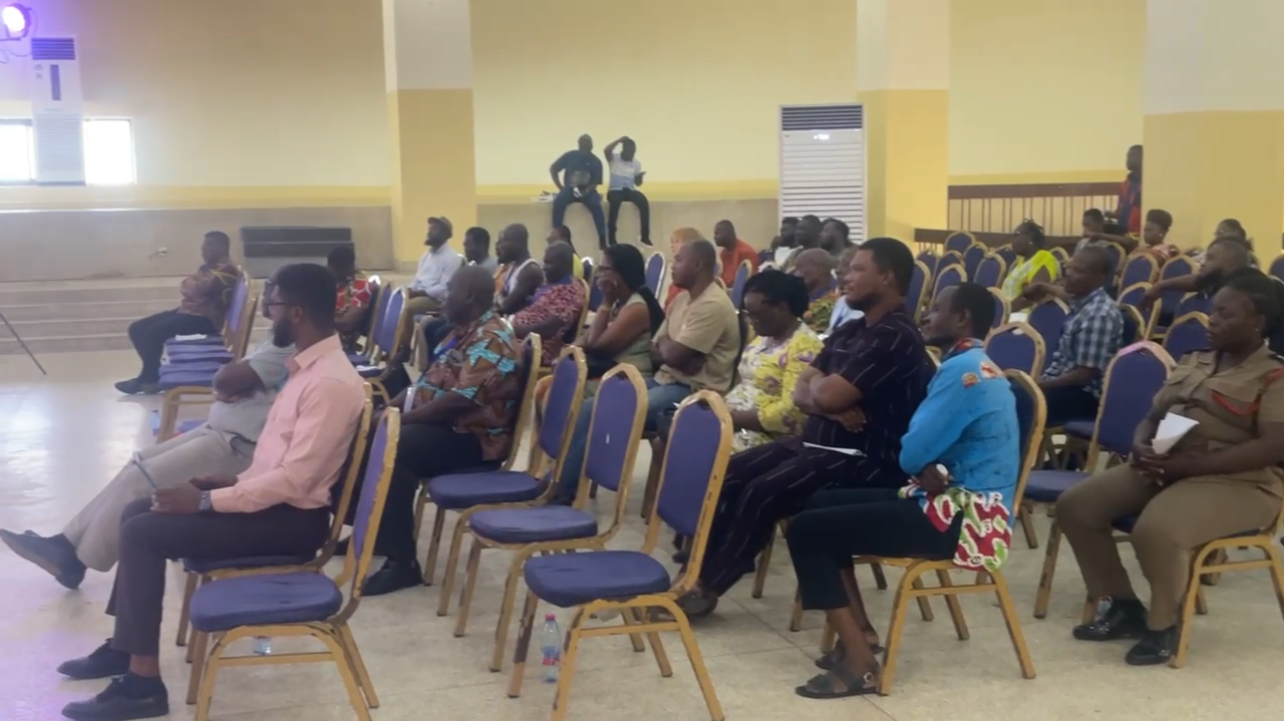
Under the theme “Showcasing the Rich Diversity of Ghanaian Culture Through the Performing Arts,” the symposium asked critical questions: Are current tax reforms satisfactory? How do they affect artists and cultural institutions? And what policy changes are needed to align taxation with the realities of the creative economy?
Calls for Reform
Speaking at the event, Latif Abubakar, Founder and CEO of Globe Productions, argued that the creative economy has the potential to generate millions of dollars for Ghana but is being held back by unfavourable tax policies.
“If we don’t develop programmes and policies, it will harm the industry, and we will end up chasing small monies from free tickets and the like. The creative economy has potential to grow, but only if we give opportunities to our talented individuals,” he said.
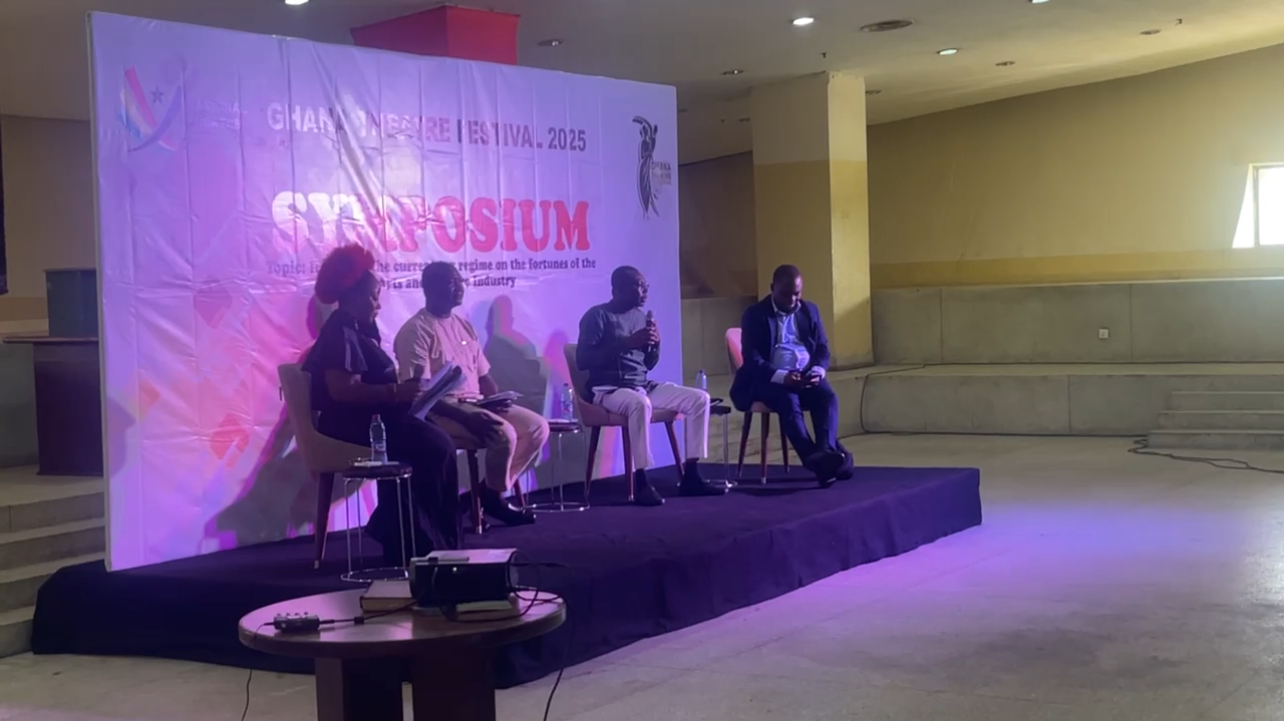
Adding his voice, Mr. Abeku Gyan Quansah, Partner at PwC Ghana, acknowledged challenges with VAT on tickets but encouraged the industry to advocate collectively for change.
“Taxes definitely influence behaviour. The arts and culture industry is part of Ghana’s economy, contributing to GDP and tax revenues. But I strongly believe you can come together, advocate, and make a stronger case to government,” he noted.
He also urged practitioners to keep proper financial records to justify their calls for tax reforms.
GRA’s Perspective
Representatives from the Ghana Revenue Authority, including Mr. Victor Akogo, Chief Revenue Officer and Head of Modified Taxation Project, and Mr. Isaac Kobina Amoako, Chief Revenue Officer and IT Training Centre Head, participated in the discussion, highlighting ongoing tax initiatives and the importance of voluntary compliance.
Outcomes Expected
The symposium aimed to:
• Examine the impact of current tax policies on the creative industry.
• Highlight challenges facing artists and cultural businesses in tax compliance.
• Explore possible tax incentives to stimulate industry growth.
• Foster collaboration between creatives and government agencies.
Expected outcomes include a policy recommendation for tax reforms, greater awareness among creatives about their tax obligations, and stronger dialogue between tax authorities and the arts community.
The symposium formed part of the 2025 Ghana Theatre Festival, which continues to celebrate Ghana’s cultural heritage while addressing pressing issues affecting the performing arts.