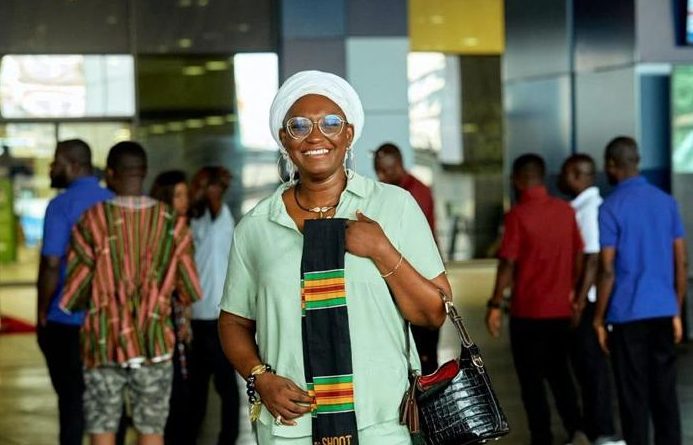
For me, cross-border co-productions in Africa, particularly in West Africa are not a trend. They are an inevitability. And the Ghana–Nigeria collaboration on Aníkúlápó: The Ghoul Awakens confirms why.
This collaboration did not happen by accident. It was the result of a very deliberate vision I have carried for years: to position Ghana as a serious production destination for global platforms, to attract the African diaspora, and to create real, workable pathways for high-value African content and African talent to appear on the world stage.
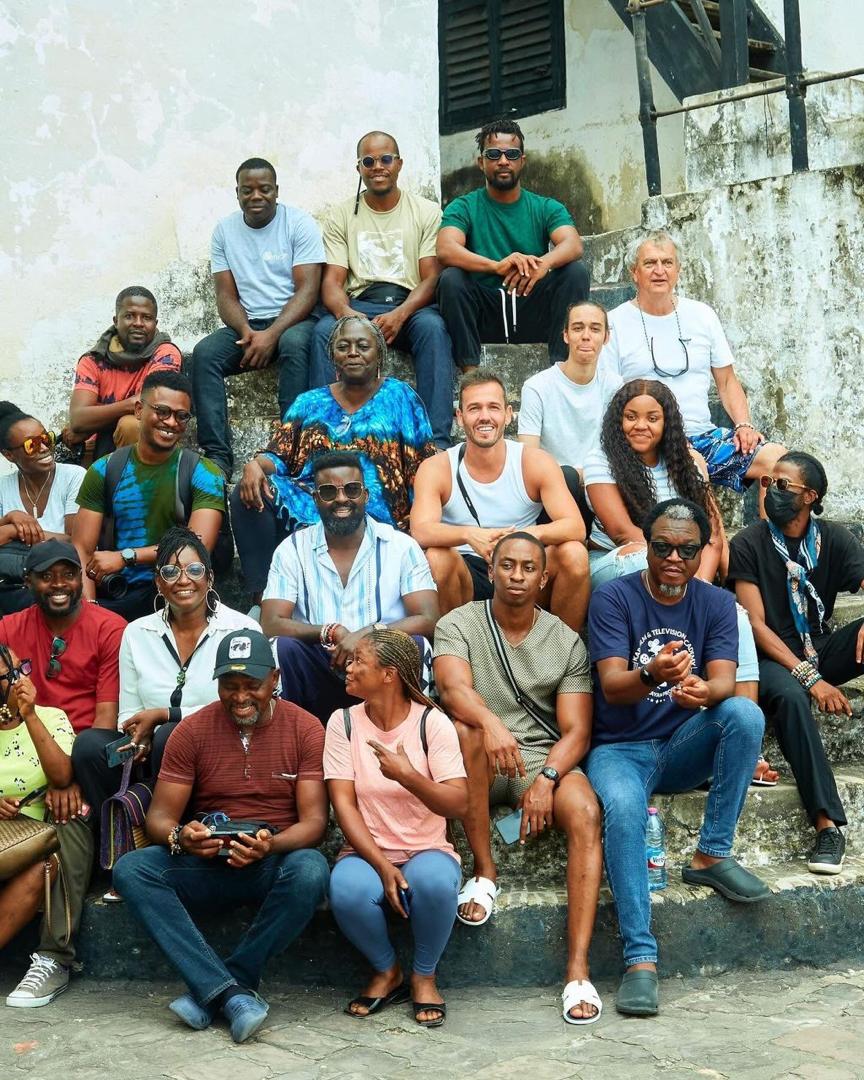
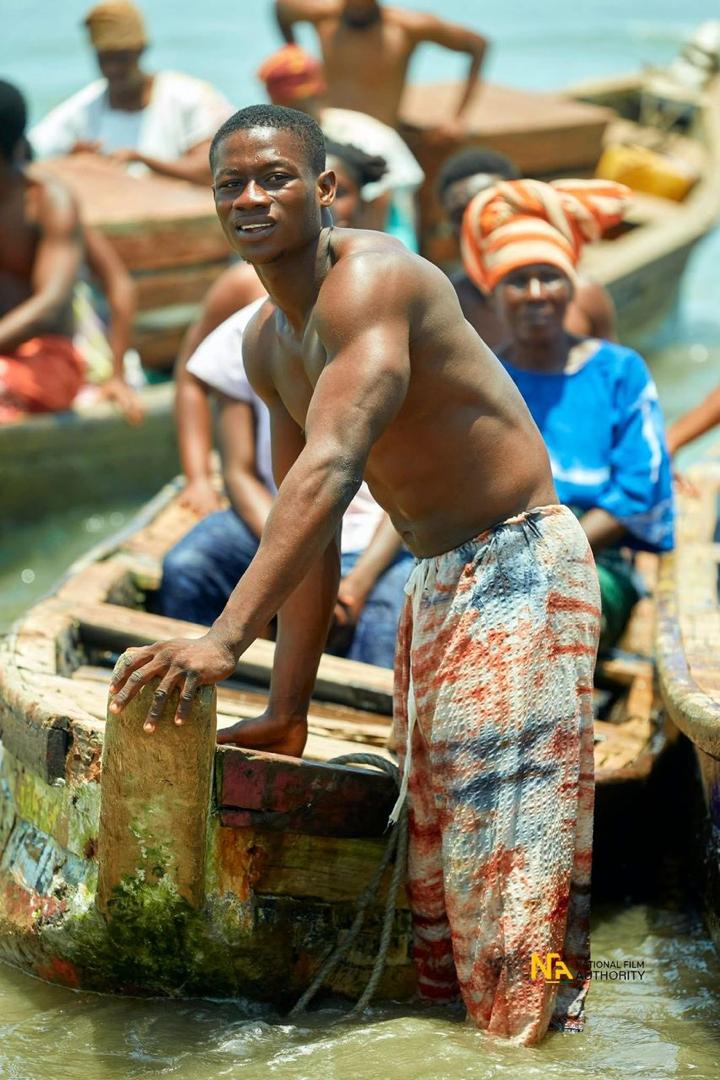
What stands out most in the second season of Aníkúlápó is not simply that Ghana appears on screen, but how it appears. The Ghanaian scenes deepen the narrative. They tap into shared histories trade, migration, the transatlantic slave trade, and European presence along the coast. The inclusion of Portuguese elements, including a Portuguese actor, was historically grounded and expanded the story naturally, because West Africa has always been interconnected.
History reminds us that the Yoruba people are deeply linked to communities in present-day Ghana, including the Ga. Cultural overlaps between the Akan, Ewe, Ga, and Yoruba peoples are visible everywhere in architecture, food, customs, and language.
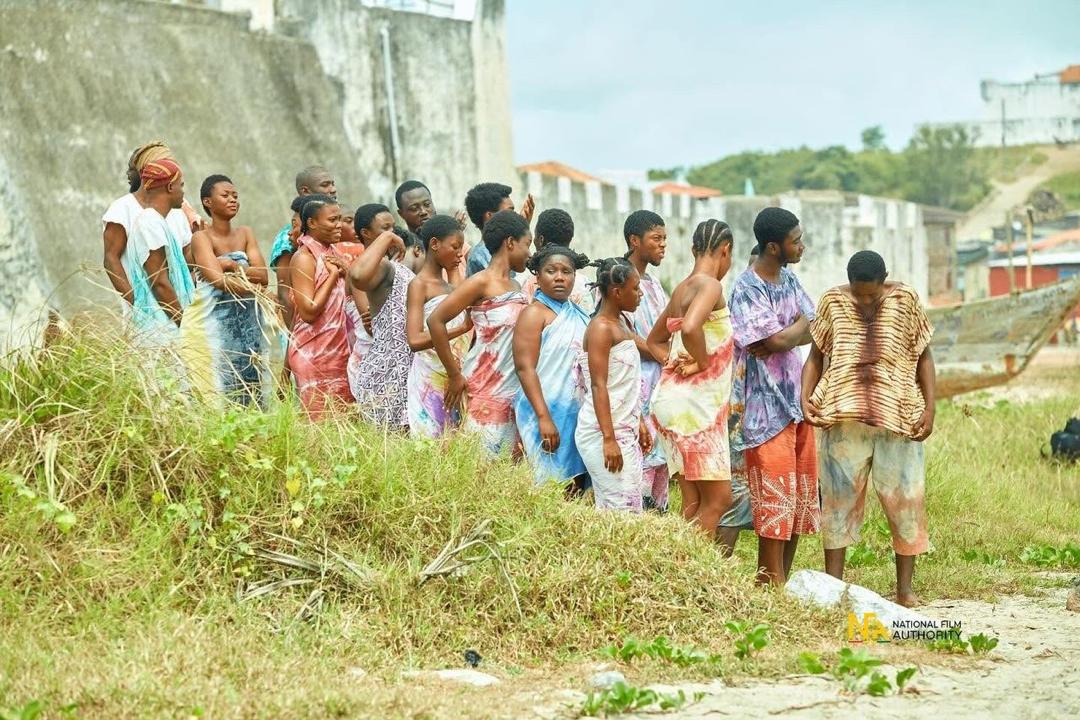
These similarities are not coincidental. They are proof that our stories were never meant to be told in isolation. From an industry perspective, the logic is just as clear. Nigeria is Africa’s largest producer of English-language content. Ghana is a close and strategic partner with distinct locations, talent, and production advantages. Bringing these two markets together immediately expands audience reach and elevates production value. In doing so, Aníkúlápó doesn’t just tell a compelling story it presents a model.
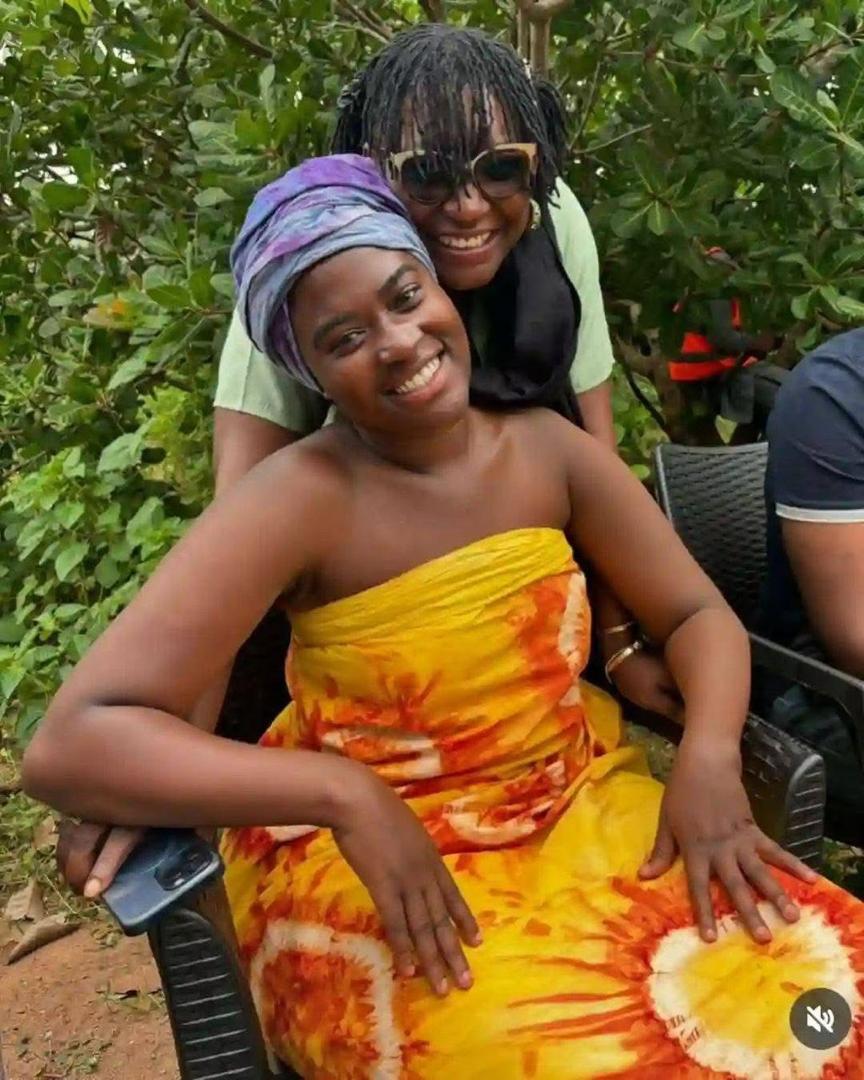
One of the most powerful examples of what this model enables is the performance of Ghanaian actress Fella Makafui. She learned Yoruba from scratch for the role no small task, especially given that this was not modern Yoruba, but a more classical form of the language. The response from Yoruba-speaking audiences has been remarkable. Many could not tell she was not Yoruba. That, to me, speaks volumes about Ghanaian talent and what becomes possible when opportunity, commitment, and trust align.
This collaboration was strategic long before filming began. When I went to Cannes, I went with intention. My goal was to demonstrate that “shooting Ghana” could do more than host productions it could create a pathway for Ghanaian stories and Ghanaian stars to enter global platforms now, while we continue building our local systems.
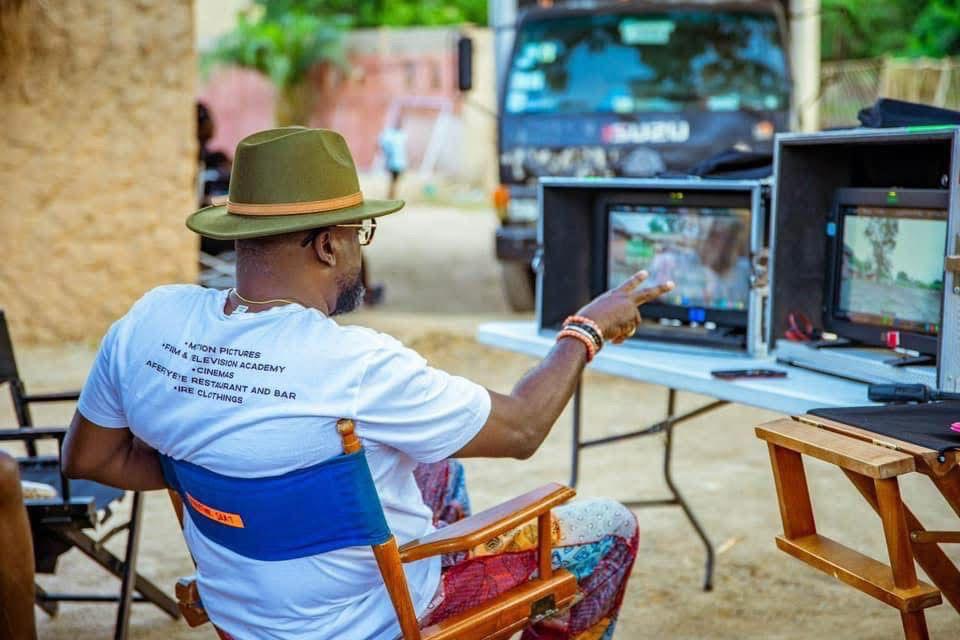
That conversation with Kunle Afolayan took less than ten minutes. The alignment was immediate. The following day, the collaboration was announced at the Nigerian Film and
TV Summit in Cannes. At the time, many people were still skeptical of the vision. Today, the work itself has become the proof.
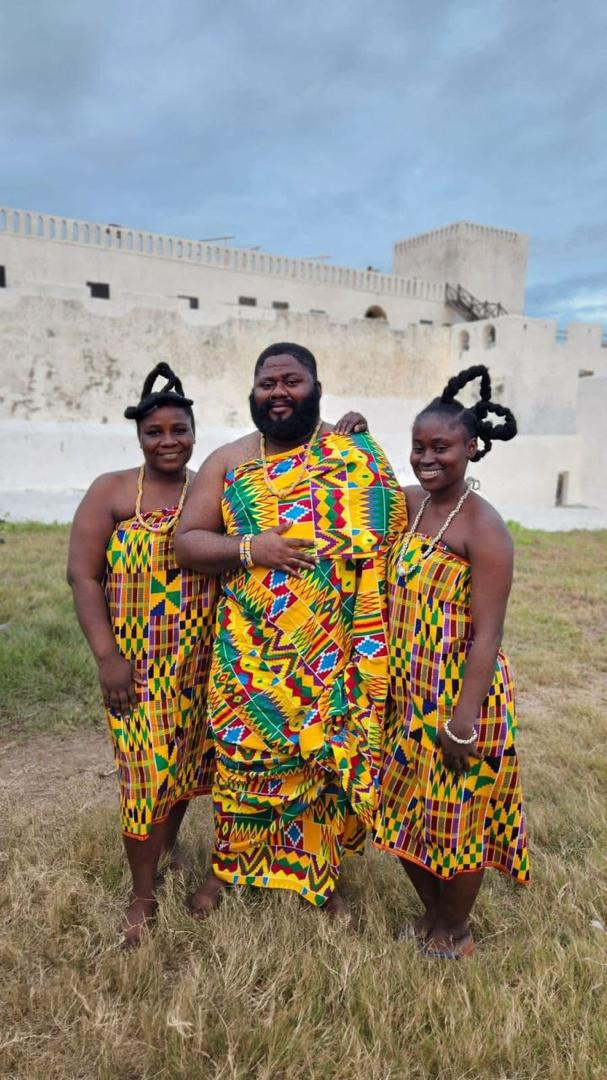
Ghana must recognise and own what this represents. Ghana’s landscapes, heritage sites, and visual identity were not just featured they were elevated. The series presents Ghana
as beautiful, cinematic, and historically rich. This matters not only for film, but for tourism. Global audiences who see Ghana on screen do not just watch they want to visit, to
experience, to connect.
Globally, this is already the direction of travel. Netflix’s series Love Translated spans multiple countries and languages, with actors learning new tongues and stories unfolding
across borders. This is no longer experimental. It is how platforms think. This is not a time for ego or competition. It is a time for collaboration. This path was not
easy. It required sacrifice, financial commitment, and risk from the filmmaker, from the crew, and from me personally. But I believe deeply in the power of collaboration to unite
markets and unlock scale.
Africa is approaching a defining moment. Within four years, the continent will hold over 40% of the world’s youth population. UNESCO estimates the creative sector’s potential atover $20 billion, with many experts suggesting the true figure could exceed $100 billion.
That future will not happen by chance.
Aníkúlápó shows what is possible. It has created skills transfer, economic opportunity, cultural pride, and visibility for Ghana and Nigeria alike. It has opened a door to a new
model one that treats Africa as a connected market, not fragmented territories.
A shared vision between two people can expand to benefit an entire region. This is our calling card.
Explore all the juicy entertainment news you desire with GhanaWeekend on WhatsApp!
Click on the link to join the GhanaWeekend channel for curated, meaningful stories tailored just for YOU: https://whatsapp.com/channel/0029VaJ31iEDTkK8wIHNj31A